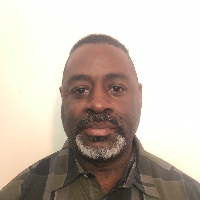
- Trauma and PTSD focus
- Practical coping skills
- Warm collaborative approach
About Dwayne
He commonly helps people work through trauma and PTSD, including veterans dealing with service-related difficulties. He also supports those facing depression, grief, anger, low self-esteem, and mood swings such as bipolar symptoms. Relationship strains, intimacy concerns, communication problems, and issues around fatherhood are part of his practice as well.
His style is described as warm, supportive, and interactive. He uses Cognitive Behavioral Therapy along with solution-focused and motivational approaches to help people identify patterns and try small, practical changes. For trauma-specific work he uses Cognitive Processing Therapy as one of his tools for processing traumatic memories and reducing their hold on daily life.
Dwayne emphasizes working together toward concrete goals. Sessions often focus on breaking problems into manageable steps, building coping skills, and practicing new ways to respond. He frames therapy as a collaboration where clients take an active role in setting and pursuing recovery goals.
People interested in starting can expect straightforward conversations about priorities and a focus on skills that fit everyday life. His background in group and individual work informs an approach that balances practical techniques with emotional support.
Areas of expertise
Primary focus
Also works with
Additional focus areas
Therapeutic approaches
Experience
6+ years
Credentials
Texas
Languages
English
Approaches that guide online trauma and anxiety work
Many of his sessions draw on Cognitive Behavioral Therapy, which looks at how thoughts, feelings, and actions interact and teaches practical skills to change unhelpful patterns. CBT is often used for anxiety, panic, mood problems, and many day-to-day stressors.Motivational Interviewing is another approach he uses to help people clarify goals and find internal reasons to change. This style helps when someone feels stuck or ambivalent about making shifts in behavior or routines.
He treats the selection of methods as a collaborative process. The therapist will talk with each person about their needs, goals, and preferences and then recommend approaches that fit those priorities. Together they decide which tools to try and adjust them over time.
Session formats are not listed in the biography, so confirm current options before booking. Online work can make it easier to fit therapy around work, family, and daily tasks. It also supports follow-up check-ins, shorter skill-practice meetings, and consistent momentum between in-person visits when appropriate. Licensed professionals can use these formats to help people apply new skills directly in their everyday lives and maintain steady progress.
Frequently asked questions
What concerns does he commonly address?
He works with stress, anxiety, trauma and abuse, depression, grief, intimacy issues, anger, low self-esteem, and bipolar-related mood concerns, plus related problems such as panic attacks and social anxiety.
What is his general therapy style?
He takes a warm, supportive, and interactive approach. Sessions focus on practical steps, skill building, and collaborative goal setting.
What kinds of experience does he have?
He has six years as a Licensed Professional Counselor and more than 15 years working as a Christian lay counselor in the Dallas area, with both individual and group work experience.
What credentials and region are associated with this therapist?
He is an LPC, licensed in Texas, and practices in Texas.
Which languages are supported for sessions?
Sessions are offered in English.
Are international clients served?
International clients are not currently accepted.
How are fees and billing handled?
Cost varies with location and therapist availability; sessions use a subscription that can be canceled at any time according to the service terms.
How do I begin the process to work with him?
Use the Start Therapy button, complete a short matching questionnaire, and then schedule based on the therapist's availability.