- Stress and anxiety support
- Trauma-informed perspective
- Goal oriented sessions
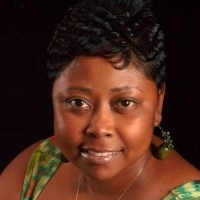
About LaQuanda
She combines several therapeutic approaches to fit each person's needs. Cognitive Behavioral Therapy (CBT) is used to identify unhelpful thinking patterns and build different habits. Client-Centered work keeps the conversation focused on the person's goals and values. Solution-Focused ideas help set small, achievable steps to move forward.
LaQuanda adapts the session tone and plan to what each person needs. She listens for strengths and past coping skills to use as a foundation. Sessions often include concrete tools and short-term strategies for stress, anger, workplace issues, and relationship concerns.
She has supported people dealing with grief, caregiver stress, communication breakdowns, and post-traumatic stress. The aim is to help people gain insight, boost self-worth, and make clearer choices about their lives. Dr. Wiggins emphasizes collaboration and practical change rather than long, abstract discussion.
If someone decides to begin, she works to build a straightforward plan and supports gradual progress toward a more balanced life.
Areas of expertise
Primary focus
Also works with
Additional focus areas
Therapeutic approaches
Experience
8+ years
Credentials
Alabama
Languages
English
Therapeutic approaches and online sessions
Dr. Wiggins uses Cognitive Behavioral Therapy to help people notice unhelpful thoughts and test new ways of thinking and acting. CBT often focuses on practical tools and homework that make daily stress and anxiety more manageable. She also uses Client-Centered Therapy, which keeps the focus on the person's goals and values and supports change at the person's own pace. Narrative Therapy is used to look at a person's story and separate them from the problems they face, which can help with trauma, self-esteem, and relationship patterns.Finding the right approach is part of the work together. She will discuss options, listen to your preferences, and tailor techniques to your needs. The plan is collaborative so people can try methods and adjust them if something isn't working.
Session formats are not listed in the biography, so please confirm current session options before booking. Online therapy can make it easier to fit appointments into a busy schedule and avoid travel time. It can also allow shorter check-ins when needed, or let someone choose not to be on camera. Licensed professionals can use these options to help people practice skills between sessions and keep momentum while balancing everyday responsibilities.
Frequently asked questions
What concerns does this therapist address?
She helps with stress, anxiety, depression, trauma and abuse, anger, self-esteem, relationship and grief issues, plus workplace and career concerns.
What is her therapy style like?
Her style is warm and interactive. Sessions aim to be practical, with tools and short-term steps to try between meetings.
How much clinical experience does she have?
She has eight years of experience working as a therapist with people facing a wide range of concerns.
What credential does she hold and where is she located?
She is an LPC, which stands for Licensed Professional Counselor, and practices in Alabama.
Which languages are supported for sessions?
Sessions are offered in English.
Does she work with clients outside the United States?
International clients are not currently accepted.
How does payment and cost work?
Cost varies with location and therapist availability; sessions use a subscription that can be canceled at any time.
How do I begin working with her?
Use the Start Therapy button, complete a short matching questionnaire, and then schedule according to the therapist's availability.