- Person-centered care
- Cognitive approaches
- Family system focus
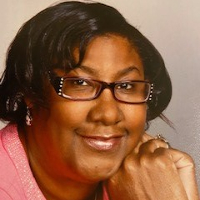
About Mariel
She uses a client-centered approach combined with cognitive behavioral ideas. Sessions emphasize listening, empathy, and working together to set attainable goals. Dr. Moore aims for honest, balanced conversations that move a person forward between visits.
Her background includes inpatient and outpatient substance abuse work and collaboration with physicians to support patients facing serious medical conditions. That experience shaped a practice that values practical coping skills alongside emotional work. She has worked with depression, anxiety, trauma and abuse, grief, ADHD, and other childhood disorders as part of a broader caseload.
Dr. Moore also helps people facing relationship strain, parenting challenges, sleep problems, and career transitions. She often builds individual treatment plans and adapts tools from several approaches to match each person’s needs. She has additional focus areas such as attachment concerns, blended family issues, body image, and coping with disasters.
In sessions she emphasizes authentic connection and steady skill-building. Her stated goal is to help people find a stronger sense of self and healthier ways of relating to others. Prospective clients should confirm current session options before booking.
Areas of expertise
Primary focus
Also works with
Additional focus areas
Therapeutic approaches
Experience
8+ years
Credentials
Alabama
Languages
English
How therapy approaches translate to online work
Acceptance and Commitment Therapy, or ACT, helps people notice thoughts and feelings without getting stuck in them. It focuses on values and small steps toward a meaningful life, which can help with anxiety, stress, and motivation. Cognitive Behavioral Therapy, CBT, looks at unhelpful thinking and behavior patterns and teaches practical strategies to change them. It is often used for anxiety, depression, sleep issues, and problem-solving.Finding the right approach is part of therapy. The therapist will talk with each person about their goals, needs, and preferences. Together they decide whether ACT, CBT, a client-centered path, or a mix of methods fits best. That collaborative process can be done gradually as trust builds.
Practical benefits of online therapy include easier fitting sessions into a busy schedule and reducing travel time. Online work can make brief check-ins or focused skills practice simpler to arrange around work or family demands. Specific session formats are not listed here, so confirm the available options before booking to make sure they fit daily routines and technical needs.
Frequently asked questions
What concerns does this therapist address?
She works with stress and anxiety, depression, trauma and abuse, relationship and family issues, sleep problems, and career or parenting challenges.
What is the therapist's style in sessions?
The approach is collaborative and person-centered with cognitive-behavioral elements. She listens closely, helps set goals, and focuses on skills that can be used between visits.
What is her professional background?
She has eight years of counseling experience, including inpatient and outpatient substance abuse work, and she has worked alongside physicians supporting patients with serious medical conditions.
What credentials and location are listed?
She is an LPC in Alabama and holds a PhD in Family Therapy.
Are sessions provided in other languages or internationally?
Sessions are offered in English and international clients are not currently accepted.
What session formats are available?
Session formats are not specified here; please confirm current session options with the service before booking.
How are fees and payment handled?
Cost varies with location and scheduling; sessions use a subscription model that can be canceled at any time.
How do I begin working with this therapist?
Click the Start Therapy button, complete a short matching questionnaire, and then schedule according to the therapist's availability.