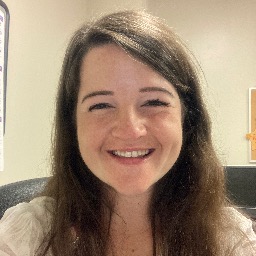
- Warm and nonjudgmental
- Practical skills focused
- Values driven care
About Mary
She often supports people who are caregivers or facing end-of-life issues, and she has experience helping those coping after trauma or sudden health shifts. Sessions focus on practical steps that fit daily life, with attention to strong emotions and immediate concerns.
Mary uses a mix of methods to match each person’s needs. Cognitive behavioral strategies are used to spot and change unhelpful thinking and behavior. Acceptance and Commitment Therapy helps people name what matters and take small, values-driven steps. She also draws on motivational interviewing and solution-focused tools to set realistic goals and build momentum.
In sessions she listens first, then works with each person to set small goals and track progress. Conversations aim to be collaborative, with concrete skills to try between meetings. She avoids heavy jargon and keeps suggestions simple so they can be put into practice quickly.
Mary is based in Alabama and works in English. People interested in starting are invited to use the site process to match and schedule a first appointment according to her availability.
Areas of expertise
Primary focus
Also works with
Additional focus areas
Therapeutic approaches
Experience
7+ years
Credentials
Alabama
Languages
English
How evidence-based approaches translate to online care
Mary often uses Acceptance and Commitment Therapy (ACT), which helps people notice difficult thoughts and feelings while clarifying what matters most to them and taking small actions toward those values. ACT can be useful for anxiety, stress, and life transition work.She also uses Cognitive Behavioral Therapy (CBT) to identify and change unhelpful thinking and behavior patterns. CBT offers concrete exercises and practice between sessions that many people find helpful for anxiety, depression, and trauma-related symptoms.
Finding the right approach is part of the work. The therapist will talk with each person about goals and preferences and then try methods that fit. That process is collaborative and may change over time based on what helps most.
If you are considering online therapy, confirm the current session options before booking so you know which formats are offered. Online sessions can make it easier to fit therapy into a busy week, allow for shorter check-ins when needed, and remove travel time. They also let people practice skills in day-to-day settings and bring real-life situations into the conversation, which can speed up learning and transfer of new habits.
Frequently asked questions
What concerns does Mary commonly address?
She works with a range of issues including grief, stress and anxiety, depression, trauma and abuse, relationship and family concerns, caregiving stress, and challenges tied to aging or end-of-life care.
What is her approach to therapy like?
Her style is compassionate and nonjudgmental. Therapy is collaborative and practical, focusing on finding small, useful steps you can try between sessions.
How much clinical experience does she have?
She has seven years of experience providing mental health services, including work with caregivers, end-of-life concerns, trauma, and adjustment to health changes.
What credential does she hold and where is she based?
She holds an AL LICSW, which is a licensed independent clinical social worker credential, and she practices in Alabama.
Which languages are supported for sessions?
Sessions are offered in English.
Can people outside the United States work with her?
She does not accept international clients at this time.
How does payment and cost work?
Cost varies with location and therapist availability; sessions use a subscription that can be canceled at any time.
How do I begin working with her?
Use the Start Therapy button, complete a short matching questionnaire, and then schedule according to the therapist's availability.