- Trauma-informed care
- Focus on relationships
- Skill-based work
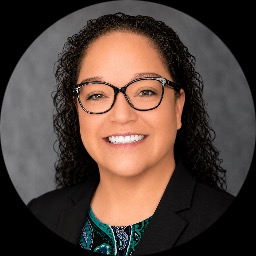
About Morgan
Morgan uses a trauma-informed, culturally aware approach during sessions. She listens for how past relationships and early attachments shape current reactions. Then she helps people notice patterns, test new behaviors, and practice small changes that make daily life easier.
Her work often addresses communication problems, codependency, and feelings of guilt or shame. She also supports concerns related to adoption and foster care, caregiver stress, and issues tied to blended families. Morgan pays attention to how these themes affect mood, relationships, and self-worth.
With six years of clinical experience as a licensed social worker, she draws on evidence-based therapeutic techniques to shape each plan. She helps people build coping skills, self-compassion, and clearer boundaries. Sessions are collaborative and paced to each person’s needs.
Morgan practices in Texas and conducts sessions in English. People who want to begin can use the site workflow to match and schedule time with her. She emphasizes realistic steps and steady progress rather than quick fixes.
Areas of expertise
Primary focus
Additional focus areas
Experience
6+ years
Credentials
Texas
Languages
English
How Morgan’s approaches translate to online work
Evidence-based therapeutic techniques in Morgan's work focus on helping people understand how past experiences shape present feelings and behaviors. One approach centers on trauma-informed care, which helps identify how stressful events influence mood, reactions, and relationships and then builds skills to reduce their day-to-day impact. Another common element is skills-based work that teaches practical coping strategies for anxiety and stress, such as grounding, emotion regulation, and clearer communication methods.Finding the right approach is a collaborative process. Morgan partners with each person to figure out which methods fit their goals and preferences. She adjusts the plan over time so techniques match what feels useful and doable in everyday life.
Because session formats are not specified in the biography, confirm current options before booking. Online therapy can make it easier to fit sessions into a busy schedule by removing travel time and allowing shorter check-ins when helpful. It can also help people maintain continuity of care during moves or schedule changes. These practical benefits often help therapy fit into real life more consistently.
Frequently asked questions
What kinds of concerns does Morgan help with?
She supports people facing stress, anxiety, trauma and issues with self-esteem. Morgan also helps with family dynamics, communication problems, and identity concerns.
How would you describe her therapeutic style?
Her approach is trauma-informed and culturally aware. She focuses on practical skills, self-compassion, and testing small behavior changes.
How much clinical experience does she have?
Morgan has six years of experience working as a clinician. She applies that experience to help people build coping strategies and navigate complex emotions.
What are her credentials and where is she based?
She holds an LCSW, which stands for Licensed Clinical Social Worker, and she practices in Texas.
Which languages are offered for sessions?
Sessions are offered in English.
Can international clients work with her?
She does not work with international clients at this time.
How are sessions paid for and what does it cost?
Cost varies with location and therapist availability. Sessions use a subscription that can be canceled at any time.
What is the easiest way to begin sessions?
Use the Start Therapy button and complete the short matching questionnaire. Then schedule according to the therapist's availability.