- Client-centered approach
- Practical coping tools
- Works with trauma
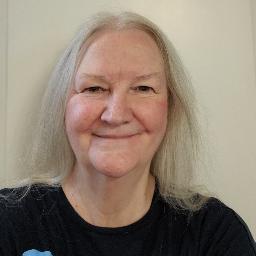
About Patricia
Kay takes a client-centered approach and adapts methods to fit each person. She uses a mix of techniques to help with anxiety, trauma, depression, and addiction-related concerns. Sessions emphasize clear strategies people can use between meetings.
Her background includes long-term work with people across the lifespan, from children to adults. She has used EMDR as one of several approaches when trauma is part of the picture. Her experience also covers relationship struggles, grief, parenting stress, body image, caregiving strain, and life transitions.
In sessions Kay focuses on what the person needs now and what practical steps can help. She listens first, then suggests exercises, thought tools, or mindfulness practices tailored to the situation. The aim is steady progress rather than quick fixes.
People who prefer a calm, adaptable therapist who uses a range of methods may find her style easy to work with. To begin, visitors follow the site process to match with her and schedule a first meeting according to her availability.
Areas of expertise
Primary focus
Also works with
Additional focus areas
Therapeutic approaches
Experience
25+ years
Credentials
Texas
Languages
English
Approaches and how they work online
Patricia "Kay" McLaughlin uses client-centered work and cognitive behavioral techniques in most of her sessions. Client-centered therapy focuses on listening and understanding a person's experience, then shaping sessions around what feels most helpful. Cognitive behavioral therapy looks at unhelpful thoughts and behaviors and teaches practical tools to change them. EMDR is another approach she has used when trauma symptoms are present; it involves structured steps aimed at reducing the intensity of traumatic memories and the distress they cause.Picking the right approach is part of the therapy process. Kay collaborates with each person to identify goals, try methods, and adjust the plan based on what helps. That teamwork helps match techniques to the individual's needs and preferences rather than committing to a single path up front.
Confirm the current session options before booking to learn which formats she offers. Online therapy can make it easier to fit sessions into a busy schedule, allow shorter check-ins when needed, and remove travel time from the routine. Many people find the flexibility helps them use therapy more consistently as they work on stress, anxiety, trauma recovery, and life changes.
Frequently asked questions
What kinds of problems does she help with?
She addresses stress and anxiety and also works with trauma, depression, addictions, grief, relationship and parenting concerns among other life challenges.
What is her therapy style like?
Her style is client-centered and adaptable. She listens first and then uses the approach that best fits each person's needs.
How much experience does she have?
She has been a counselor since 1991 and has 25 years of experience reflected in her practice.
What are her credentials and where is she based?
She is a Licensed Professional Counselor, LPC, and practices in Texas.
Which languages are supported for sessions?
Sessions are offered in English.
Can people outside the United States work with her?
She does not accept international clients at this time.
How are fees and payment handled?
Cost varies with location and therapist availability; sessions use a subscription that can be canceled at any time.
How do I begin working with her?
Use the Start Therapy button, complete a short matching questionnaire, and schedule according to therapist availability.