- Focus on skill building
- Collaborative approach
- Trauma informed
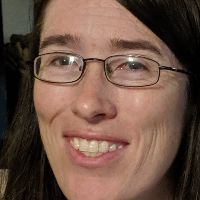
About Sabrina
Sabrina approaches counseling as a path toward greater freedom and personal growth. She centers the therapeutic relationship and asks for regular feedback so sessions stay useful and practical. Her stated goal is to help people strengthen skills they can use on their own between sessions.
She trained in social work and mental health counseling, earning a Bachelor of Science in Social Work from Florida State University and a Master of Arts in Mental Health Counseling from Franciscan University of Steubenville. Her background includes work and training related to addiction and trauma, and she has pursued several professional trainings connected to those areas.
Sabrina uses Internal Family Systems as her primary approach and describes her overall style as eclectic, drawing on multiple techniques to suit each person. She aims to help people access their core self and to work through difficult emotions and memories with practical tools and steady support.
She holds counseling licenses in Texas and Ohio and practices from Ohio. Sabrina asks people to share honest feedback during sessions so treatment can be tailored to their needs. If you want a counselor who emphasizes partnership and real-life skills, she aims to walk alongside you through the process.
Areas of expertise
Primary focus
Also works with
Experience
3+ years
Credentials
Ohio, Texas
Languages
English
Approaches that guide online work and progress
Internal Family Systems is described as Sabrina's main method; it helps people separate their core self from painful parts so emotions and thoughts can be viewed and changed without self-blame. This approach is often used for anxiety, trauma responses, and ongoing patterns that feel stuck.She also draws on evidence-based techniques from trauma-informed work and addiction counseling trainings. Trauma-informed methods focus on pacing and safety while processing difficult memories, and addiction-informed techniques emphasize harm reduction, coping skills, and building routines that support recovery.
Finding the right approach is a collaborative process. Sabrina asks for regular feedback and adapts methods to a person’s goals and day-to-day life. Together the therapist and client decide which tools to try and how to adjust them over time so the work fits the client's needs and priorities.
Practical benefits of doing therapy online are worth checking before booking. The profile does not list specific session formats, so confirm what is available when you schedule. Online work can make it easier to fit sessions around work, caregiving, or travel, and it can support shorter check-ins when a brief touchpoint is needed. Licensed professionals can also combine different techniques into sessions so the pace and focus match what the client finds most helpful.
Frequently asked questions
What concerns does this therapist address?
Sabrina lists stress and anxiety among her main concerns and also notes experience with addictions, trauma and abuse, grief, depression, bipolar, ADHD, and related issues. She works to help people navigate these struggles in straightforward ways.
What is her therapeutic style like?
Her primary approach is Internal Family Systems, used within an eclectic framework. She focuses on helping people access their core self and use practical tools between sessions.
How many years has she practiced?
She has three years of professional experience working in counseling and related settings.
What credentials and location are listed?
She holds LPC and LPCC credentials and practices from Ohio. The profile also notes licensure in Texas in addition to Ohio.
Which languages are supported for sessions?
Sessions are offered in English.
Does she accept international clients?
International clients are not currently accepted.
How are sessions billed or priced?
Cost varies with location and therapist availability, and sessions use a subscription that can be canceled at any time.
How do I begin working with her?
Use the Start Therapy button, complete a short matching questionnaire, and then schedule according to therapist availability.