- Stress and anxiety
- Relationship concerns
- Practical coping skills
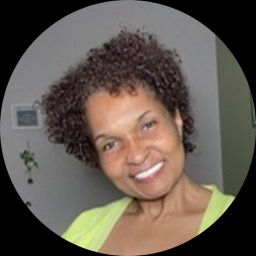
About Tynese
Her work is conversational and collaborative. She listens first, then helps clients set clear, manageable goals. Sessions mix problem solving, skill building, and time to talk through feelings. She also offers hypnotherapy when a client is interested in that option.
Tynese uses a blend of approaches to match what each person needs. She draws on client-centered methods to keep the conversation focused on the client’s priorities. She uses cognitive behavioral tools to address thought patterns and DBT skills to manage strong emotions when needed.
For people processing trauma or difficult memories she can integrate EMDR techniques alongside other methods. Emotionally focused ideas guide work on attachment and relationship issues. The result is a tailored plan that tries to fit real life and real schedules.
She is licensed in Kentucky and Michigan and works with adults on concerns such as parenting stress, sleep and eating problems, career doubts, and questions about identity and intimacy. Tynese aims to create a steady, practical space where change feels possible.
Areas of expertise
Primary focus
Also works with
Additional focus areas
Therapeutic approaches
Experience
18+ years
Credentials
Kentucky, Michigan, Arizona, South Carolina
Languages
English
How therapy approaches are used online
Client-Centered Therapy focuses on listening and supporting the client’s own goals, helping people feel heard and clear about what they want to change. Cognitive Behavioral Therapy, or CBT, looks at unhelpful thoughts and behaviors and teaches specific skills to shift them, which can help with anxiety, depression, and stress. Dialectical Behavior Therapy, DBT, offers practical tools for managing intense emotions and improving coping skills, useful when feelings become overwhelming.Finding the right mix of approaches is part of the work. The therapist collaborates with each person to decide which methods fit their needs, goals, and preferences. That plan can change as the client makes progress or faces new challenges.
The biography does not list specific session formats, so confirm the available online options before booking. In general, online therapy can make it easier to fit sessions into a busy week, reduce travel time, and allow quicker check-ins when needed. Some formats also work better when bandwidth is limited or when a shorter, focused check-in is the goal. Licensed professionals can adapt these approaches to work through stress, relationship problems, trauma processing, and coping skills in remote sessions, while tailoring the pace and tools to each person.
Frequently asked questions
What issues does she address?
She supports adults with stress, anxiety, depression, relationship and intimacy issues, trauma, grief, addictions, sleep and eating concerns, and life transitions.
What is her therapy style like?
Her style is warm, interactive, and goal oriented. She listens first and then works collaboratively to set manageable steps.
How much experience does she have?
She has 18 years of experience working as a clinical therapist with a wide range of concerns.
Which credentials and where is she licensed?
She holds LCSW and LMSW credentials and is licensed in Kentucky and Michigan.
Which languages are sessions offered in?
Sessions are offered in English and she is available to work with international clients.
What session formats are available?
The original biography does not specify session formats; please confirm current session options before booking.
How is cost handled?
Fees vary with location and therapist availability; sessions use a subscription that can be canceled at any time.
How do I begin working with her?
Use the Start Therapy button, complete the short matching questionnaire, and schedule according to therapist availability.