- Practical coping skills
- Warm collaborative style
- Strengths focused
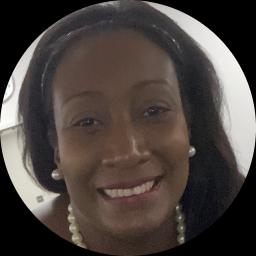
About Amy
She uses straightforward techniques to help people manage symptoms and make day-to-day life easier. Sessions often include working on communication, building self-compassion, and developing coping skills for stress and mood swings. Amy aims to help clients feel less isolated and more able to handle challenges.
Her approach draws from several therapeutic models. Cognitive Behavioral Therapy (CBT) is used to spot unhelpful thinking and try different responses. Attachment-Based work looks at how early relationships shape how people connect now. Client-Centered methods keep the pace driven by each person’s needs.
Amy also incorporates tools from Dialectical Behavior Therapy (DBT) and Jungian-informed ideas when they fit a person’s goals. She treats topics such as grief, parenting stress, body image, burnout, and addictions with practical steps and emotional support. The work is collaborative and paced to the individual.
People who choose Amy can expect clear goals, regular check-ins, and skills practice between sessions. She encourages realistic changes and builds on strengths already present. If you want a supportive, steady guide through anxiety or life transitions, she offers a structured yet warm approach.
Areas of expertise
Primary focus
Also works with
Additional focus areas
Therapeutic approaches
Experience
13+ years
Credentials
Texas, Arkansas
Languages
English
How her approaches shape online work
Amy commonly uses Cognitive Behavioral Therapy to help people notice thinking patterns and try new behaviors. CBT is practical and often focuses on small experiments that reduce anxiety and improve mood. Attachment-Based Therapy is another core approach and looks at how early relationship patterns affect current connections and trust. This work can help when communication and closeness feel difficult.Finding the right approach is part of the process. She discusses different methods with each person and decides together what to try first based on needs, goals, and preferences. The therapist and client adjust the plan as progress and challenges emerge, keeping the work collaborative and goal-oriented.
Because the biography does not list specific session formats, confirm available options before booking. Many people find online sessions easier to fit into busy days, allow for shorter check-ins when needed, and reduce travel time. Working remotely can make it simpler to practice skills in real-life settings and to bring real situations into conversation during the session. Licensed professionals tailor pacing and techniques so therapy fits everyday life while addressing stress, anxiety, and relationship concerns.
Frequently asked questions
What concerns does Amy help with?
She helps people facing stress and anxiety as well as related issues like depression, trauma, relationship and intimacy concerns, grief, parenting stress, and addictions.
What is her therapeutic style like?
Her style is collaborative and nonjudgmental. Sessions focus on simple, practical steps, emotional processing, and improving everyday coping.
How much clinical experience does she have?
Amy brings 13 years of experience working with a broad range of emotional and life challenges.
What credentials and region are associated with her practice?
She holds the LPC credential and is licensed in Texas and Arkansas while practicing out of Texas.
In which languages are sessions available?
Sessions are offered in English only.
What session formats are offered?
The biography does not list specific session formats; please confirm current session options before booking.
How does payment and cost work?
Cost varies by location and therapist availability. Sessions use a subscription that can be canceled at any time.
How do I begin working with her?
Select the Start Therapy button, complete a short matching questionnaire, and schedule according to therapist availability.