
Deborah Youngblood
LCSWLouisiana · 15 yrs exp
Compassionate care for stress and anxiety
Stress, Anxiety · Relationship · Family · Trauma and abuse · +12 more
Read profileTherapist listings are provided by BetterHelp. We will earn a commission at no additional cost to you if you use our links to purchase.
This page connects you with therapists who list isolation and loneliness among their specialty areas. Browse the listings below to review therapists' approaches, credentials, languages, and areas of focus.
Louisiana · 15 yrs exp
Compassionate care for stress and anxiety
Stress, Anxiety · Relationship · Family · Trauma and abuse · +12 more
Read profile
Colorado · 19 yrs exp
Compassionate LCSW helping manage stress and relationships
Stress, Anxiety · Relationship · Trauma and abuse · Grief · +12 more
Read profile
Texas · 13 yrs exp
Calm, practical therapy focused on your goals
Stress, Anxiety · Relationship · Trauma and abuse · Anger · +11 more
Read profile
Pennsylvania · 12 yrs exp
Calm, practical support for stress and anxiety
Stress, Anxiety · Relationship · Self esteem · Depression · +11 more
Read profile
Missouri · 16 yrs exp
Calm-focused, practical therapy approach
Stress, Anxiety · Trauma and abuse · Self esteem · Bipolar · +12 more
Read profile
Louisiana · 10 yrs exp
Calm, relational therapy focused on practical change
Stress, Anxiety · Relationship · Family · Depression · +12 more
Read profile
Kentucky · 10 yrs exp
Calm guidance for stress and anxiety
Stress, Anxiety · Family · Self esteem · Depression · +12 more
Read profile
Texas · 10 yrs exp
Compassionate counselor for stress and life change
Stress, Anxiety · Relationship · Family · Depression · +14 more
Read profile
Texas · 11 yrs exp
Practical therapy for stress and anxiety
Stress, Anxiety · Trauma and abuse · Career · Depression · +9 more
Read profile
Oklahoma · 30 yrs exp
Compassionate counselor guiding practical change
Stress, Anxiety · Grief · Intimacy-related issues · Depression · +8 more
Read profile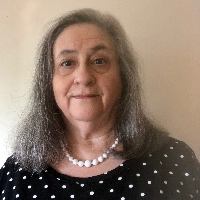
Mississippi · 23 yrs exp
Compassionate LCSW helping with life transitions
Stress, Anxiety · Grief · Anger · Self esteem · +8 more
Read profile
Texas · 21 yrs exp
Practical support for stress and life transitions
Stress, Anxiety · Relationship · Trauma and abuse · Intimacy-related issues · +15 more
Read profile
Texas · 22 yrs exp
Experienced LPC helping with stress and anxiety
Stress, Anxiety · Relationship · Trauma and abuse · Depression · +16 more
Read profile
Pennsylvania · 10 yrs exp
Therapist focused on practical healing
Stress, Anxiety · Relationship · Grief · Self esteem · +8 more
Read profile
Texas · 25 yrs exp
Therapist focused on stress and relationships
Stress, Anxiety · Family · Intimacy-related issues · Self esteem · +15 more
Read profile
Texas · 10 yrs exp
Practical, goal-focused counseling with cultural awareness
Stress, Anxiety · Relationship · Anger · Self esteem · +16 more
Read profile
Louisiana · 14 yrs exp
Compassionate, practical support for everyday struggles
Stress, Anxiety · Anger · Self esteem · Depression · +9 more
Read profile
Texas · 18 yrs exp
Compassionate counselor who listens first
Stress, Anxiety · Addictions · Trauma and abuse · Depression · +9 more
Read profile
New Jersey · 20 yrs exp
Compassionate, practical support for stress and anxiety
Stress, Anxiety · Addictions · Parenting · Self esteem · +7 more
Read profile
Mississippi · 12 yrs exp
Practical, collaborative therapy for everyday struggles
Stress, Anxiety · Addictions · Anger · Self esteem · +12 more
Read profile
Texas · 23 yrs exp
Helping people reduce stress and rebuild confidence
Stress, Anxiety · Relationship · Self esteem · Career · +11 more
Read profile
Tennessee · 35 yrs exp
Practical, experienced support for stress and anxiety
Stress, Anxiety · Grief · Self esteem · Depression · +8 more
Read profile
North Carolina · 30 yrs exp
Calm guidance for stress and life change
LGBT · Relationship · Family · Trauma and abuse · +13 more
Read profile
Louisiana · 16 yrs exp
Calm-focused counseling for daily life
Stress, Anxiety · Self esteem · Depression · Addictions · +4 more
Read profileIsolation and loneliness are related but distinct experiences that many people face at different points in life. Isolation usually refers to limited social contact or physical separation from others, while loneliness is a subjective feeling of being disconnected or misunderstood even when other people are nearby. You can feel lonely in a crowded room, or you may be physically alone without experiencing loneliness. Both states can influence your mood, energy, motivation, and how you view yourself and your relationships.
When loneliness persists it often affects daily routines, how you engage with work or school, and your interest in activities you once enjoyed. You may notice changes in sleep, appetite, or concentration. Loneliness can make you more likely to withdraw further, creating a cycle that feels hard to break. Understanding these differences can help you identify what matters most to address - whether that is increasing social contact, improving the quality of relationships, or shifting how you think about connection.
Therapy for isolation and loneliness focuses on practical steps and emotional processing. It is not about fixing you, but about exploring patterns, building skills, and making intentional changes that align with the type of connection you want. As you read about therapists below, you can look for professionals who describe experience with interpersonal concerns, social anxiety, life transitions, or relationship work that relates to loneliness.
You may find therapy helpful if feelings of loneliness or separation interfere with your daily life or cause persistent distress. If you notice that you avoid social situations, feel chronically misunderstood, or struggle to maintain friendships or family ties, those are signals that targeted support could help. Difficulty trusting others, repeated cycles of short-lived relationships, or a sense that you cannot be yourself with people you care about are common themes people bring to therapy.
Physical symptoms such as low energy, trouble sleeping, or changes in appetite can accompany emotional loneliness. You might also find that loneliness amplifies other concerns like anxiety or low mood. If you feel stuck trying to change patterns on your own, or you want a thoughtful partner to help you explore why connection feels challenging, therapy offers a structured way to understand and shift those dynamics. Choosing to seek help is a step toward improving how you relate to others and how you feel about being alone.
Therapy can also help when loneliness emerges after life transitions - for example after moving to a new city, ending a relationship, becoming a caregiver, or experiencing a loss. In those moments you may need tools to build new networks, grieve what was lost, or reshape your expectations for social life. A therapist can support you in practical planning while also attending to the emotional experience of change.
When you begin working with a therapist on isolation and loneliness, early sessions typically focus on understanding your story and what you want to change. You and your therapist will explore patterns in relationships, beliefs about yourself and others, and specific situations that trigger feelings of disconnection. Sessions are a place to try new ways of interacting, reflect on what works, and set small, achievable goals that match your values and lifestyle.
Progress often comes from a combination of emotional insight and practical skill-building. Your therapist may help you identify unhelpful thoughts that keep you withdrawing, role-play conversations to build confidence, or plan steps to expand social opportunities. Many people find gradual exposure to social situations and deliberate practice in communication reduce the intensity of loneliness over time.
Cognitive-behavioral methods focus on the link between thoughts, feelings, and behaviors. You might work on recognizing patterns of thinking that reinforce solitude and test new behaviors that create opportunities for connection. Therapists who list cognitive-behavioral techniques among their approaches often use structured exercises to shift thinking and support behavioral changes.
Interpersonal work explores relationship patterns and attachment-related themes. If you find it hard to form or maintain close bonds, this approach focuses on how past experiences shape present interactions. Therapists who describe interpersonal or relational approaches help you notice recurring dynamics and experiment with different ways of relating.
Acceptance and mindfulness strategies help you tolerate uncomfortable feelings without letting them dictate actions. Emotion-focused work helps you access and process the feelings that underlie withdrawal. Therapists who include these methods among their approaches may guide you in practices that increase emotional awareness and resilience.
Some therapists list group facilitation or social skills training among their approaches. Group settings can offer practice in real-time social interaction and provide a chance to realize you are not alone in your experience. Social skills work focuses on communication, assertiveness, and building conversational confidence that supports meaningful contact.
Online therapy offers flexibility in how you connect with a therapist - through video sessions, phone calls, or messaging, depending on the clinician's methods. For people dealing with isolation, remote sessions can be particularly helpful because they remove geographic barriers and make it easier to access a wider range of clinicians whose approaches match your needs. You can engage from a place where you feel comfortable, which may make it easier to open up and try new skills in session.
In online therapy you can expect many of the same components as in-person work - a focus on assessment, collaborative goal-setting, and skills practice. Therapists who list online or telehealth options among their methods will typically explain the technology they use and their policies for communication outside sessions. Because online care may include text-based check-ins, some clinicians offer short message support between sessions as a way to reinforce practice and maintain momentum, while others focus strictly on scheduled sessions. You can ask about the formats they use when reviewing profiles.
Online therapy can also serve as a bridge to local resources. A therapist may help you identify community groups, volunteer opportunities, or classes that align with your interests and can expand your network in ways that feel meaningful. Whether you prefer video or phone, the most important factor is that the format supports consistent engagement so you can practice the skills you explore in session.
Selecting a therapist is a personal decision that should consider fit more than technique alone. Think about whether you prefer a therapist who emphasizes skills and structure or someone who focuses on emotional exploration. Look for clinicians who explicitly mention working with loneliness, social anxiety, life transitions, grief, or relationship patterns among their areas of focus. When profiles list approaches such as cognitive-behavioral, interpersonal, or mindfulness-based methods, keep in mind that the listing indicates an approach the therapist uses rather than certification.
Consider language, cultural background, and life experience as important elements of fit. You may feel more comfortable with someone who understands your identity, community norms, or the social contexts that shape your relationships. Similarly, if you are interested in group formats, search for therapists who list group work among their offerings, because groups provide a different kind of practice and feedback than individual sessions.
Practical questions to reflect on include whether you prefer remote sessions, the style of communication that helps you engage, and the pace at which you want to work. Many people find it useful to read therapist profiles for clues about how they describe collaboration, boundaries, and goals. Choosing a therapist you feel comfortable with often makes the difference in whether you stick with the work and see meaningful shifts in how you connect with others.
Loneliness is a common human experience, and seeking support is a constructive step toward changing patterns that no longer serve you. As you explore the listings below, focus on approaches, languages, and experience that resonate with your needs, and consider scheduling an introductory conversation to get a sense of fit. With the right match, therapy can help you build clearer pathways to the connections you want.
Alabama
327 therapists
Alaska
2 therapists
Arizona
12 therapists
Arkansas
152 therapists
California
23 therapists
Colorado
26 therapists
Connecticut
2 therapists
Delaware
1 therapist
Florida
63 therapists
Georgia
32 therapists
Hawaii
2 therapists
Idaho
3 therapists
Illinois
10 therapists
Indiana
17 therapists
Iowa
5 therapists
Kansas
13 therapists
Kentucky
268 therapists
Louisiana
386 therapists
Maine
1 therapist
Maryland
8 therapists
Massachusetts
4 therapists
Michigan
13 therapists
Minnesota
3 therapists
Mississippi
203 therapists
Missouri
25 therapists
Montana
3 therapists
Nebraska
4 therapists
Nevada
6 therapists
New Jersey
10 therapists
New Mexico
12 therapists
New York
6 therapists
North Carolina
26 therapists
North Dakota
1 therapist
Ohio
15 therapists
Oklahoma
328 therapists
Oregon
2 therapists
Pennsylvania
10 therapists
South Carolina
15 therapists
Tennessee
351 therapists
Texas
2280 therapists
Utah
5 therapists
Virginia
21 therapists
Washington
5 therapists
West Virginia
2 therapists
Wisconsin
5 therapists
Wyoming
3 therapists