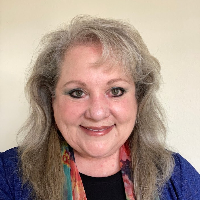
- Listens closely
- Uses practical tools
- Collaborative planning
About Angela
She begins by listening closely and meeting each person where they are. Angela works with clients to build a therapeutic relationship that feels steady and respectful. Together they set simple goals and practical steps that fit daily life.
Her approach pulls from several methods to match an individual’s needs. Sessions often include talking through difficult events, identifying unhelpful thought patterns, and practicing skills to handle intense emotions. The focus is on learning tools that can be used outside of sessions.
Angela also helps people cope with life changes, grief, parenting stress, and challenges linked to trauma or caregiving roles. She can discuss patterns of attachment and how relationships shape feelings and reactions. Clients looking for help with loneliness, guilt, or burnout may find this practical focus useful.
Her work is straightforward and collaborative. Angela encourages self-awareness and small, steady shifts in thinking and behavior. To begin, readers are invited to use the site process to match and schedule a session according to the therapist’s availability.
Areas of expertise
Primary focus
Also works with
Additional focus areas
Therapeutic approaches
Experience
10+ years
Credentials
Texas
Languages
English
How her approaches translate to online work
Attachment-Based Therapy looks at how early and current relationship patterns shape feelings and reactions. It can help when someone notices repeating connection problems or strong emotional responses in close relationships.Client-Centered Therapy focuses on listening and following the person’s lead. That means sessions concentrate on what matters most to the client and on building a steady, trusting working relationship.
Cognitive Behavioral Therapy (CBT) helps people notice unhelpful thoughts and try different behaviors to reduce distress. It is often used for stress, anxiety, and mood struggles because it teaches concrete skills that can be practiced between sessions.
Choosing the right approach is part of therapy. The therapist will work with each person to pick methods that match their goals, needs, and preferences, and will adjust the plan as progress is made. This is a collaborative process rather than a one-size-fits-all prescription.
If you prefer online sessions, confirm the current session options before booking since the biography does not list them. Online work can make scheduling easier, help fit therapy into a busy day, and let people use skills in the settings where they live and work. Therapists commonly adapt attachment, client-centered, and CBT methods to an online format so practical skill-building and emotional processing can continue between appointments.
Frequently asked questions
What concerns does Angela commonly address?
She focuses on stress and anxiety and also helps with trauma and abuse, depression, self-esteem, grief, parenting strain, and related issues.
How would you describe her therapy style?
Her style is collaborative and down-to-earth, emphasizing listening, practical steps, and skills people can use between sessions.
What is her professional background?
She is a Licensed Professional Counselor with ten years of experience working in multiple settings and with diverse client concerns.
Where is she licensed and based?
She holds an LPC credential in Texas and practices from that state.
Which languages are supported in sessions?
Sessions are offered in English.
What session formats are available?
Please confirm current session options before booking, as the biography does not list specific formats.
How does payment and cost work?
Cost varies with location and therapist availability; sessions use a subscription that can be canceled at any time.
How do I begin working with her?
Use the Start Therapy button, complete the short matching questionnaire, and schedule according to therapist availability.