- Collaborative approach
- Skills and coping tools
- Mindful techniques
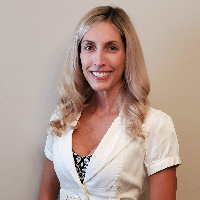
About Ashleigh
Ashleigh spent many years working in private practice, crisis centers, hospitals, and schools. That variety shaped a practical style focused on clear goals and problem solving. She uses methods from cognitive behavioral therapy, client-centered practice, and attachment-based ideas to guide sessions.
Her approach aims to create an atmosphere where people feel heard and able to speak openly. Sessions typically emphasize skills and strategies that clients can use between meetings, such as coping tools for anxiety, communication skills for relationships, and ways to manage grief and loss.
She also includes mindfulness and dialectical behavior strategies when they match a client’s needs. Ashleigh is comfortable addressing issues such as eating and sleeping concerns, sexual identity and LGBT topics, addiction-related struggles, ADHD, parenting stress, and compassion fatigue.
Her personal path to counseling began with her own positive therapy experience in college. That experience influences how she supports clients now - by helping them find hope, regain focus, and set reachable goals. To begin, the process involves a short matching questionnaire and scheduling based on therapist availability.
Areas of expertise
Primary focus
Also works with
Additional focus areas
Therapeutic approaches
Experience
19+ years
Credentials
Ohio, Idaho, Nebraska, Oklahoma
Languages
English
How Ashleigh’s Approaches Work Online
Ashleigh commonly uses cognitive behavioral therapy and client-centered methods. CBT is about identifying thoughts and behaviors that keep problems going and practicing new ways of thinking and acting. It can help with anxiety, depression, sleep troubles, and coping with life changes. Client-centered work focuses on listening, reflecting, and helping people find their own solutions; it supports building confidence and clearer decision-making.She also draws on attachment-based ideas to look at how past relationships shape current patterns. That approach can help people understand recurring conflicts, intimacy concerns, or feelings of abandonment. Together with the client she selects techniques that fit the person’s history and goals, so the plan is tailored instead of fixed.
Many people find online therapy easier to fit into a busy life. It can reduce travel time, make it simpler to schedule sessions around work or family, and allow continued care across moves or long distances. The original biography notes Ashleigh moved to online counseling before 2020, but specific session formats were not listed here, so confirm available session options when booking. A therapist will work with each person to choose an approach and session rhythm that fits their goals and daily routine.
Frequently asked questions
What concerns does Ashleigh commonly help with?
She works with a broad range of issues including stress, anxiety, relationship and intimacy concerns, grief, depression, addictions, eating and sleeping problems, parenting stress, ADHD, and trauma-related matters.
How would you describe her therapeutic style?
Her style is collaborative and practical. She blends client-centered conversation with cognitive-behavioral techniques and skills work to address immediate problems and long-term goals.
What is her professional background?
Ashleigh has 19 years of experience in settings that include private practice, crisis centers, hospitals, and schools, which inform a flexible, problem-focused approach.
What credentials and location are listed?
She holds LCPC and LIMHP credentials and practices from Ohio while also working with some non-U.S. clients.
Which languages and international options are available?
Sessions are offered in English and she does accept some international clients.
What session formats are offered?
The original biography indicates a shift to online counseling before 2020; please confirm current session options with the provider before booking.
How is cost handled for sessions?
Fees vary with location and therapist availability; sessions use a subscription model that can be canceled at any time.
What are the first steps to begin working together?
Start by selecting the Start Therapy button, completing a short matching questionnaire, and then scheduling according to therapist availability.