- Stress and anxiety
- Addiction support
- Practical strategies
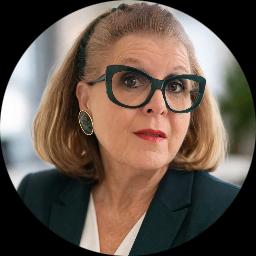
About Christie
Her approach looks at how the past shows up in the present. She works with people who want to put painful memories into context, reduce symptoms, and move toward clearer day-to-day choices. She also supports those facing addiction and the emotional work that often accompanies recovery.
Dr. Taylor has led mental health and substance use treatment programs in both public and private settings. Her background includes roles as a clinical director in psychiatric hospitals and leadership in addiction program development. She has also worked as a CEO of nonprofit addiction services and provided direct counseling across many levels of care.
Teaching has been part of her career for many years. She has served as adjunct faculty in mental health and addiction counseling programs at universities in Texas and Oklahoma. That classroom work shapes her focus on practical strategies people can use between sessions.
She has experience counseling children and interest in supporting teens affected by parental alcoholism and addiction. Dr. Taylor aims to build trust first, then help each person choose clear steps forward based on their goals and life situation.
Areas of expertise
Primary focus
Also works with
Additional focus areas
Therapeutic approaches
Experience
30+ years
Credentials
Texas
Languages
English
Approaches that guide online work and daily change
Attachment-Based Therapy looks at patterns in close relationships and how those patterns affect feelings and stress. It helps people understand why they react a certain way when they feel threatened or withdrawn. Client-Centered Therapy focuses on the person in front of the therapist, using acceptance and careful listening to help people find their own solutions and build confidence. Cognitive Behavioral Therapy (CBT) explores how thoughts, feelings, and behaviors interact and uses practical exercises to change unhelpful patterns and reduce anxiety.Finding the right approach is part of the work. The therapist will collaborate with each person to pick methods that match their goals and preferences. She checks in regularly and adjusts methods based on what is helping and what feels useful in daily life.
The biography does not list specific session formats, so confirm available online options before booking. Online work can make it easier to fit sessions into busy schedules, cut down on travel time, and allow shorter check-ins when needed. It also lets people keep continuity of care when they are traveling or living in different places. Licensed professionals can still use the same practical exercises and conversation-based work online to address stress, anxiety, addiction recovery tasks, and relationship patterns.
Frequently asked questions
What concerns does this therapist address?
She works with stress and anxiety and related areas such as addiction, depression, trauma, grief, parenting concerns, ADHD, and relationship issues.
What is the therapy style like?
The style is straightforward and collaborative, focusing on clarifying feelings and practical steps. Sessions aim to connect past patterns to current choices and set small, workable goals.
What background does the therapist have?
She brings 30 years of experience leading mental health and substance use programs and providing direct counseling across treatment levels.
What credentials and location are listed?
She is an LPC (Licensed Professional Counselor) and practices in Texas.
Which languages are available for sessions?
Sessions are offered in English and international clients are accepted.
What session formats are offered?
The original biography does not list specific session formats, so confirm current session options before booking.
How is cost handled for sessions?
Cost varies with location and therapist availability; sessions use a subscription that can be canceled at any time.
How do I begin working together?
Select the Start Therapy button, complete a short matching questionnaire, and then schedule according to the therapist's availability.