- Client-centered focus
- Solution-oriented steps
- Systemic perspective
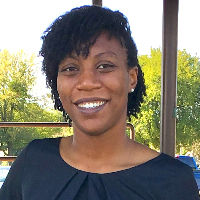
About Christina
Christina uses a person-centered approach that keeps the client's goals in focus. She combines solution-focused techniques to identify practical next steps and systemic ideas to look at how relationships and patterns affect daily life. Sessions tend to emphasize clear goals, concrete strategies, and small experiments clients can try between meetings.
She has seven years of clinical experience working with concerns such as depression, bipolar disorder, trauma and abuse, grief, low self-esteem, and impulsivity. Christina also supports people dealing with caregiver stress, blended family issues, codependency, and intimacy-related problems. Her background includes work with people facing parenting and family-of-origin challenges.
Christina describes her role as a guide who offers respect, sensitivity, and steady support. She encourages vulnerability as a step toward change and helps people create plans they can realistically follow. People who prefer a direct, cooperative approach may find her style a good fit.
To begin, readers should use the service Start Therapy button and complete the short matching questionnaire to schedule according to therapist availability.
Areas of expertise
Primary focus
Also works with
Additional focus areas
Therapeutic approaches
Experience
7+ years
Credentials
Oklahoma
Languages
English
How her approaches guide online therapy
Christina uses client-centered and solution-focused ideas to shape her online work. Client-centered Therapy emphasizes listening and empathy so clients set the pace and topics. This approach helps when people need a steady, respectful space to talk through stress and relationship concerns. Solution-Focused Therapy zeroes in on small, practical steps and goals to create change quickly. It is useful when someone wants concrete actions to try between sessions.Finding the right approach is part of the process and happens together. The therapist will review a person's needs, goals, and preferences and recommend which techniques to emphasize. That collaborative choice can shift over time as goals evolve and new issues come up.
Confirm current session options before booking to know which online formats are offered. Online therapy can make it easier to fit sessions into a busy week, shorten travel time, and allow a quieter check-in during a work break or between commitments. It can also let people focus on communication skills and family patterns from wherever they are located, while keeping the work centered on real-life routines and responsibilities.
Frequently asked questions
What kinds of concerns does this therapist address?
She works with stress and anxiety plus relationship and parenting challenges, along with mood issues like depression and bipolar concerns and trauma-related difficulties.
What is the general therapy style and approach?
The approach is warm and collaborative, using client-centered listening, solution-focused steps, and systemic thinking to examine relationship patterns.
How much clinical experience does she have?
She has seven years of experience working in clinical settings with a range of concerns including trauma, grief, and caregiver stress.
What are her credentials and where is she located?
She holds the LMFT credential, which stands for Licensed Marriage and Family Therapist, and practices in Oklahoma.
Which languages are supported for sessions?
Sessions are offered in English.
Does she work with international clients?
International clients are not currently accepted.
How are fees and payment handled?
Cost varies with location and therapist availability; sessions use a subscription that can be canceled at any time.
How do I begin therapy with her?
Select the Start Therapy button, complete the short matching questionnaire, and schedule sessions according to therapist availability.