- Client-centered care
- Strengths-based work
- Trauma-aware approach
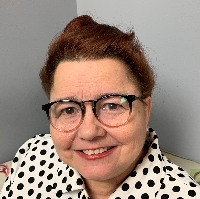
About Cynthia
She uses a client-centered approach that keeps the person's needs first. Cynthia draws from several methods so she can match the work to what a person needs right now. Short-term aims often involve reducing the immediate anxiety or distress that brought someone into counseling.
Cynthia has experience with stress and anxiety as well as trauma, grief, and depression. She also supports people coping with life changes, relationship and intimacy concerns, sleep problems, parenting strain, career questions, ADHD, and compassion fatigue. Additional focus areas include adoption and foster care, attachment concerns, chronic illness and pain, and fertility matters.
Her style is practical and collaborative. She highlights strengths and breaks big goals into smaller, doable steps. Sessions are oriented toward concrete changes while still making space for feelings and memories.
People who want to talk through painful events, reduce anxious symptoms, or plan for life changes may find her approach helpful. Cynthia works from Illinois and conducts therapy in English. To begin, clients complete a short questionnaire and schedule sessions based on availability.
Areas of expertise
Also works with
Additional focus areas
Therapeutic approaches
Experience
30+ years
Credentials
Illinois, Louisiana
Languages
English
Therapeutic approaches that shape online work
Cynthia uses approaches such as Attachment-Based Therapy, Client-Centered Therapy, and Eye Movement Desensitization and Reprocessing to guide her work. Attachment-Based Therapy looks at how early relationships affect present feelings and connections, helping people understand patterns that influence stress and relationships. Client-Centered Therapy centers the person's own goals and pace, focusing on listening, empathy, and building on strengths. EMDR is an approach used for processing traumatic memories and reducing the emotional intensity those memories carry.Finding the right approach is part of the work together. Cynthia collaborates with each person to choose methods that fit their needs, goals, and comfort level. She adapts the plan as progress is made and as goals shift.
The profile does not list specific session formats, so please confirm the available online or in-person options before booking. Many people find online sessions helpful for fitting therapy into a busy life, keeping appointments when travel is difficult, or having quicker check-ins between in-person visits. Talk with the therapist about what will fit your schedule and daily routines so sessions can be arranged in a way that supports your goals.
Frequently asked questions
What concerns does Cynthia commonly address?
She helps people with stress and anxiety, trauma and abuse, grief, depression, and coping with life changes. Her practice also includes relationship issues, sleep problems, parenting strain, career worries, and several other concerns listed in her profile.
What is her general therapeutic style?
The work is client-centered and collaborative. She listens first, highlights strengths, and sets practical goals with each person.
How much experience does she have?
She has thirty years of clinical social work experience working with a wide range of emotional and life challenges.
What credentials and location apply?
She is an LCSW and practices from Illinois. The profile lists IL LCSW and LA LCSW as credential details.
Which languages are supported and are international clients accepted?
Sessions are offered in English. She does not accept international clients at this time.
What session formats are offered?
The biography does not specify session formats. Please confirm current session options before booking so you know whether online or in-person meetings are available.
How does cost work for sessions?
Cost varies with location and therapist availability. Sessions use a subscription that can be canceled at any time.
How do I get started if I want to work together?
Begin by selecting the Start Therapy button, completing a short matching questionnaire, and then scheduling sessions according to the therapist's availability.