- Practical coping skills
- Trauma-informed methods
- Collaborative goal setting
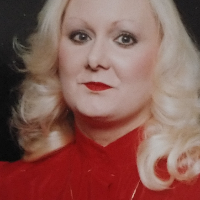
About Gwendolyn
She draws on many approaches to match what each person needs. That can mean working on thoughts and behaviors, building stronger emotional bonds, or using trauma-focused methods when past events keep affecting day-to-day life. She encourages small, manageable changes so progress feels real and steady.
Her career includes time in public agency settings and many years in private practice. That variety has given her experience with people referred from employee assistance programs, family court systems, and self-referral. She has supported people facing depression, addictions, trauma, grief, and relationship and family stress.
In sessions she asks questions, listens closely, and helps shape goals that fit the individual's life. Treatment plans are guided by the person's strengths and preferences rather than a fixed formula. She emphasizes practical tools clients can use between meetings.
Reaching out for help takes courage, and she frames therapy as a collaborative process. Gwendolyn aims to offer steady support while people work toward clearer thinking, gentler self-talk, and better day-to-day coping.
Areas of expertise
Primary focus
Also works with
Additional focus areas
Therapeutic approaches
Experience
41+ years
Credentials
Alabama
Languages
English
How her approaches translate to online work
Attachment-Based Therapy helps people understand and improve emotional bonds and security in close relationships, which can ease anxiety and relationship strain. Cognitive Behavioral Therapy, or CBT, focuses on identifying unhelpful thoughts and testing small behavior changes to reduce stress and improve mood. Dialectical Behavior Therapy, or DBT, teaches skills for managing intense emotions and improving relationships through practical exercises and skill practice.Finding the right approach is part of the process. She will work with the person to pick methods that match their goals, needs, and comfort level. That decision is collaborative and can change as progress happens.
The biography does not list specific online session formats, so confirm current options before booking. Online work can make it easier to fit therapy into a busy life, reduce travel time, and allow shorter check-ins when schedules are tight. It also lets people keep continuity of care if circumstances make in-person visits harder. Licensed professionals can adapt the approaches above to remote sessions while helping clients practice skills between meetings.
Frequently asked questions
What kinds of concerns does she address?
She works with stress, anxiety, depression, addictions, trauma, grief, relationship and family issues, and related challenges listed in her profile.
What is her therapeutic style like?
She uses a mix of approaches and focuses on practical steps. Sessions include listening, setting goals, and practicing skills between meetings.
How much experience does she have?
She has 41 years of professional experience, including work in public agency settings and many years in private practice.
What credentials and location are listed?
She is a Licensed Professional Counselor (LPC) licensed in Alabama and practices there.
Which languages are supported and are international clients accepted?
Sessions are offered in English and international clients are not currently accepted.
What session formats are available?
The original biography does not specify session formats, so confirm the current session options before booking.
How does cost and payment work?
Cost varies with location and therapist availability, and sessions use a subscription that can be canceled at any time.
How do I begin working with her?
Select the Start Therapy button, complete the short matching questionnaire, and schedule according to therapist availability.