- Warm empathic presence
- Practical coping skills
- Collaborative goal setting
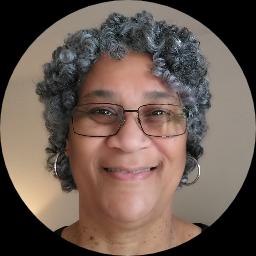
About Gwendolyn
Her practice focuses on stress and anxiety alongside depression, trauma and abuse, and life transitions. She also addresses relationship and family concerns, grief, intimacy-related issues, anger, self-esteem, and compassion fatigue. Additional interests include adoption and foster care, aging and geriatric issues, and challenges like isolation, guilt, and forgiveness.
Dr. Drake uses a client-centered stance that treats each person as the expert on their own life. She pairs that stance with cognitive-behavioral tools, mindfulness practices, and dialectical behavior skills to help people manage symptoms and build practical coping strategies. Sessions tend to emphasize clear steps you can try between meetings.
Her approach is collaborative and straightforward. She helps people notice what matters to them, set small goals, and practice skills that fit daily life. Progress is measured in practical changes you can feel at home, at work, or in relationships.
Dr. Drake welcomes questions about whether her style fits a given concern. To start, readers are encouraged to use the site process to match and schedule a first meeting and to confirm current session options before booking.
Areas of expertise
Also works with
Additional focus areas
Therapeutic approaches
Experience
18+ years
Credentials
Virginia, Tennessee, Arkansas
Languages
English
How her approaches translate to online therapy
Dr. Drake commonly uses Acceptance and Commitment Therapy and Cognitive Behavioral Therapy alongside mindfulness practices. Acceptance and Commitment Therapy (ACT) helps people clarify their values and commit to actions that matter, which can ease distress about difficult thoughts and feelings. Cognitive Behavioral Therapy (CBT) focuses on identifying unhelpful thoughts and testing them with practical experiments to reduce symptoms like anxiety and depression. Mindfulness Therapy trains attention and present-moment noticing, helping reduce reactivity and build calm in stressful moments.Finding the right approach is part of the work together. She will talk with each person about goals, preferences, and what feels useful. Then she tailors exercises and skills that fit the person’s life and priorities in a collaborative way.
Confirm current session options before booking to learn how meetings are scheduled and delivered. Many people find online therapy helps fit sessions into busy days, makes it easier to keep regular appointments, and allows practice of skills between meetings. Others appreciate shorter check-ins when time is limited or options that do not require video for lower bandwidth. The focus is on making therapy practical and usable in everyday life rather than promising a specific format.
Frequently asked questions
What kinds of concerns does she address?
She helps with stress and anxiety, depression, trauma and abuse, and coping with life changes. Relationship and family issues, grief, intimacy concerns, anger, and self-esteem are also listed specialties.
What is her general therapy style?
Her style is client-centered and collaborative, focusing on what matters to each person. She also uses cognitive-behavioral, mindfulness, and dialectical behavior techniques to build practical skills.
How long has she practiced?
She has 18 years of clinical experience working with a range of emotional and life challenges.
Where is she licensed and based?
She holds licenses as an AR Psychologist 202222 and a TN Psychologist 3537 and practices in Tennessee.
Which languages are supported?
Sessions are offered in English.
Can people from other countries work together?
International clients are not currently accepted.
How are costs and billing handled?
Cost varies with location and therapist availability; sessions use a subscription that can be canceled at any time.
How do I begin a session with her?
Select the Start Therapy button, complete a short matching questionnaire, and schedule according to therapist availability.