- Client-centered focus
- CBT for thinking patterns
- Goal-oriented work
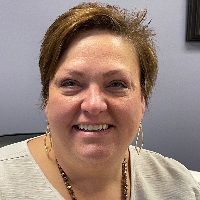
About Hope
With 22 years of experience, Hope blends several approaches to match each person's needs. She often draws on Client-Centered Therapy to keep the client's perspective central. She also uses Cognitive Behavioral Therapy to address thinking patterns and Solution-Focused Therapy to set practical goals.
Hope describes herself as a good listener who is caring, sensitive, and energetic. She brings both her professional training and life experience into sessions. People can expect straightforward talk, a sense of humor at times, and focus on what matters most to them.
She helps with many concerns, including family stresses, anger, depression, ADHD, relationship issues, trauma and abuse, grief, intimacy questions, eating concerns, self-esteem, career stress, bipolar challenges, and coping with life changes. Additional focus areas include adoption and foster care, aging and geriatric issues, attachment matters, autism and Asperger Syndrome, blended family issues, caregiver stress, and family of origin problems.
Hope practices in Mississippi and conducts sessions in English. She asks clients to complete a short matching questionnaire to begin, then schedule sessions based on availability. Her approach aims to be practical and collaborative, helping people take small, meaningful steps forward.
Areas of expertise
Primary focus
Also works with
Additional focus areas
Therapeutic approaches
Experience
22+ years
Credentials
Mississippi
Languages
English
How Hope's Methods Translate to Online Work
Hope often uses Client-Centered Therapy, which focuses on listening and reflecting what the person says so they feel understood and can find their own solutions. This approach helps with stress, relationship issues, and self-esteem by keeping the conversation grounded in the client's experience.She also uses Cognitive Behavioral Therapy to identify and change unhelpful thoughts and behaviors. CBT is practical and can help with anxiety, depression, ADHD-related challenges, and coping with life changes by breaking problems into manageable steps.
Finding the right approach is part of the process and happens together. The therapist will talk with the client about goals, try methods that fit those goals, and adjust as needed. That collaborative process helps people see what works for them over time.
Session formats are not specified in the supplied biography, so confirm current options before booking. In general, online work can make it easier to fit therapy into a busy week, allow shorter check-ins when needed, and remove travel time. Licensed professionals can adapt exercises, thought records, and goal-setting to work well in remote sessions, making progress practical and usable in everyday life.
Frequently asked questions
What concerns does Hope commonly address?
She works with stress and anxiety along with issues like family problems, anger, depression, ADHD, relationship struggles, trauma and abuse, grief, and life transitions.
What is her approach in sessions?
Hope uses a mix of methods including Client-Centered Therapy, Cognitive Behavioral Therapy, and Solution-Focused Therapy to match the client's needs and goals.
How long has she been practicing?
She brings 22 years of experience as a counselor and combines professional training with life experience in her work.
Where does she practice and what are her credentials?
Hope practices in Mississippi and holds the LPC credential. Sessions are provided in English.
Can people outside the United States work with her?
She does not accept international clients at this time; sessions are offered in English to people within her practice region.
What session formats are available?
Please confirm current session options before booking, as the biography does not list specific formats and this can change over time.
How are sessions priced?
Costs vary with location and therapist availability; sessions use a subscription that can be canceled at any time.
How do I start working with her?
Click the Start Therapy button, complete a short matching questionnaire, and then schedule sessions according to the therapist's availability.