- Skill focused
- Collaborative approach
- English sessions
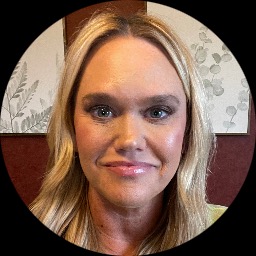
About Jennifer
Jennifer brings 11 years of experience as an LPC and LPC-MHSP working across many issues. She draws from approaches such as Cognitive Behavioral Therapy, Acceptance and Commitment Therapy, Dialectical Behavior Therapy, Attachment-Based Therapy, and client-centered methods. Sessions focus on concrete skills, clearer thinking, and stronger emotional regulation.
In therapy she helps people name what is most distressing and then builds doable strategies to address it. That can mean practicing new ways to cope with worry, building routines to improve sleep, or working on communication and boundaries in relationships. She also supports people facing grief, addiction concerns, parenting stress, and identity questions.
Her background includes community mental health experience and work with people affected by trauma and life transitions. Jennifer emphasizes collaboration and practical tools you can use between sessions. She encourages people to set realistic goals and track small changes over time.
People who choose her typically want a therapist who is direct, calm, and focused on measurable steps. She works in Tennessee and conducts sessions in English. Prospective clients should confirm current session options before booking.
Areas of expertise
Also works with
Additional focus areas
Therapeutic approaches
Experience
11+ years
Credentials
Tennessee, Tennessee
Languages
English
How her approaches shape online work
Acceptance and Commitment Therapy (ACT) focuses on helping people notice painful thoughts and feelings without letting them dictate actions. It teaches values-based goals and small steps toward a life that matters to the client. Cognitive Behavioral Therapy (CBT) looks at the links between thoughts, feelings, and behavior and uses practical exercises to shift unhelpful thinking and build new habits. Dialectical Behavior Therapy (DBT) teaches emotion regulation, distress tolerance, and interpersonal skills useful for strong emotions and relationship strain.Finding the right approach is part of the work. She will collaborate with each person to match methods to their goals, preferences, and daily life. That may mean trying different techniques early on and tracking which tools feel most helpful.
Session formats are not specified in the biography, so please confirm current options before booking. Online therapy can make it easier to fit sessions into a busy schedule, shorten travel time, and allow for quicker check-ins between other responsibilities. It also makes it simpler to practice skills in the settings where challenges occur, such as using grounding exercises during stressful moments or reviewing sleep routines while at home. Licensed professionals can help tailor frequency and format to what works in your life.
Frequently asked questions
What kinds of problems does she help with?
She helps people coping with stress, anxiety, depression, trauma, grief, relationship and parenting concerns, and many related issues.
What is her general approach in sessions?
She uses practical, skills-based work that includes cognitive behavioral techniques, acceptance-based strategies, and client-centered listening to help people change unhelpful patterns.
What experience does she bring to therapy?
She has 11 years as a Licensed Professional Counselor and additional experience in community mental health working with trauma and life changes.
Where is she licensed and based?
She is licensed in Tennessee as an LPC and LPC-MHSP and practices in that state.
Which languages are sessions offered in?
Sessions are offered in English.
Can people outside the U.S. work with her?
International clients are not currently accepted.
How does payment and cost work?
Cost varies with location and therapist availability, and sessions use a subscription that can be canceled at any time.
How do I begin working with her?
Start by selecting the Start Therapy button, complete a short matching questionnaire, and schedule according to therapist availability.