- Direct practical tools
- Research informed care
- Focused on coping
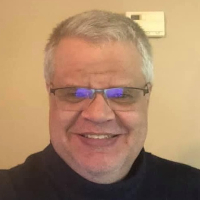
About Jonathan
He has 15 years of experience and holds a Ph.D. in Psychology, a Master of Divinity in Theology, and a Master’s in Professional Counseling. He also lists the credentials LCMHC and LPC and maintains licensure in North Carolina and Alabama. His background includes work with depression, grief, trauma and abuse, addictions, and relationship strains.
In sessions he aims to break big problems into smaller steps. He helps people talk through feelings about loss, parenting pressures, career stress, and major life changes. He also addresses issues like attachment and abandonment, body image, chronic illness, and anger in practical terms that clients can act on between meetings.
Dr. Behler has worked with clients facing PTSD, OCD, Tourette Syndrome, and co-occurring conditions. His experience includes supporting clergy and military members with role-related stress. He draws on research-informed techniques to guide conversations and build coping skills.
People who come to him often want direct tools and clear next steps. He encourages realistic goals and steady progress. Prospective clients should confirm current session options before booking.
Areas of expertise
Primary focus
Also works with
Additional focus areas
Experience
15+ years
Credentials
North Carolina, Alabama, Virginia
Languages
English
Evidence-informed approaches for stress and anxiety online
Dr. Behler works with evidence-based therapeutic techniques to help people address stress, anxiety, and related concerns. One common approach he uses focuses on identifying unhelpful thinking and testing new thoughts in everyday situations; this helps reduce worry and improve mood by changing how people interpret events. Another approach centers on skill building for coping and emotion management, teaching concrete practices for calming intense reactions and improving day-to-day functioning.Choosing the right approach is a collaborative process. The therapist and client discuss goals, preferences, and how symptoms affect daily life, then try methods that fit those needs. If a particular technique is not helpful, they adjust the plan together until it feels useful and manageable.
Confirm current session options before booking, as specific online formats are not listed in the biography. In general, online work can make it easier to fit sessions around work, school, or caregiving, reduce travel time, and allow shorter check-ins when schedules are tight. Ask about session length and scheduling during the matching process to find arrangements that fit everyday responsibilities.
Frequently asked questions
What kinds of issues does he help with?
He works with stress and anxiety alongside depression, grief, addictions, relationship and parenting concerns, trauma and a range of life changes.
What is his therapeutic style like?
His approach is conversational and solution-focused, helping clients break problems into manageable steps and learn coping skills they can use between sessions.
How much clinical experience does he have?
He has 15 years of experience working with people facing anxiety, PTSD, OCD, mood concerns, and other mental health challenges.
What are his credentials and where is he located?
He holds the credentials LCMHC and LPC with licensure in North Carolina and Alabama and is based in Alabama.
Which languages are used in sessions?
Sessions are offered in English.
Can people outside the United States work with him?
He is not accepting international clients at this time.
How are fees and billing handled?
Cost varies by location and therapist availability, and sessions use a subscription that can be canceled at any time.
What are the first steps to begin therapy?
Select the Start Therapy button, complete a short matching questionnaire, and then schedule according to therapist availability.