- Stress and anxiety
- Goal focused
- Practical skills
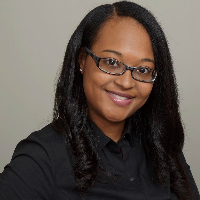
About Krystal
She has seven years of experience working in multiple clinical settings, including hospitals and outpatient mental health clinics. There she provided grief counseling and worked with adults and children on issues such as ADHD, depression, anxiety, and posttraumatic stress. She has also supported people managing co-occurring substance use disorders.
Krystal’s style is collaborative and practical. She believes therapy should be tailored to the person rather than following a one-size-fits-all plan. Sessions often focus on concrete steps a person can try between meetings and on building skills to manage symptoms day to day.
Clinically, she commonly uses cognitive behavioral therapy, motivational interviewing, and client-centered techniques. These approaches help people identify unhelpful thinking, clarify goals, and make steady progress toward what matters to them. Mindfulness and solution-focused ideas are also part of her work when they fit a person’s needs.
People who choose Krystal typically appreciate direct feedback and clear goals. She encourages people to “do the work” alongside her, and she helps them set manageable steps toward change. To begin, the usual process is to complete a short questionnaire and schedule an initial session.
Areas of expertise
Primary focus
Also works with
Additional focus areas
Therapeutic approaches
Experience
7+ years
Credentials
Texas
Languages
English
How Krystal’s Approaches Work Online
Krystal commonly draws on client-centered therapy to prioritize the person’s perspective and goals. This approach means the session centers on what the person wants to address, with the therapist listening closely and responding to what matters most. It can help when someone needs a supportive space to sort emotions and priorities.She also uses cognitive behavioral therapy, which focuses on identifying unhelpful thinking and testing new behaviors. CBT is useful for stress, anxiety, and mood concerns because it breaks problems into manageable steps and practical exercises. Motivational interviewing is another method she uses for people facing change, including substance use or lifestyle shifts; it helps clarify motivation and build commitment to small goals.
Finding the right mix of approaches is part of Krystal’s process. She will work together with the person to decide which methods fit their needs, goals, and preferences, and adjust the plan over time. That collaborative process helps make therapy relevant and doable.
Session formats are not specified in the biography, so confirm current session options before booking. Online work can make it easier to fit sessions into a busy week, allow shorter check-ins when schedules demand, and reduce travel time. Licensed professionals can tailor activities for remote meetings so progress continues between sessions.
Frequently asked questions
What concerns does Krystal help with?
She supports people with stress, anxiety, depression, grief, trauma and related issues such as ADHD, addictions, relationship strain, and parenting challenges.
What is her general approach in sessions?
Krystal uses a collaborative, practical style that focuses on tailored strategies and active work between sessions. She combines goal setting with skill building.
How much clinical experience does she have?
Krystal has seven years of experience working in settings such as hospitals and outpatient mental health clinics, supporting adults and children with various concerns.
What are her credentials and where does she practice?
She is a Licensed Professional Counselor, LPC, licensed in Texas and provides services based in that state.
Which languages are offered for sessions?
Sessions are offered in English.
Are international clients accepted?
International clients are not currently accepted.
How is cost handled?
Costs vary with location and therapist availability, and sessions use a subscription that can be canceled at any time.
How do I begin therapy with Krystal?
Start by selecting the Start Therapy button, completing a short matching questionnaire, and scheduling according to the therapist's availability.