- Strengths focused
- Goal oriented
- Practical tools
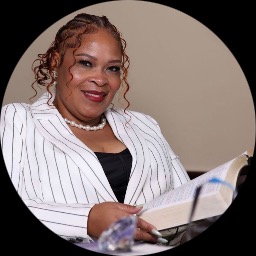
About KyNisha
KyNisha draws on several therapeutic approaches to match the needs of each person. She uses client-centered techniques to follow what matters most to the client. She also uses cognitive behavioral methods to spot and change unhelpful thinking and behavior patterns. Trauma-focused work is offered when past hurts affect current life.
Sessions tend to be conversational and goal-focused. KyNisha listens for what is getting in the way and helps people try small changes that build confidence. She talks through practical tools for managing anxiety, improving communication, and navigating family or parenting challenges.
Her background includes four years as a licensed counselor and more than a decade working in counseling-related roles. That experience informs how she supports people dealing with grief, anger, depression, ADHD, caregiver strain, and relationship difficulties. She encourages clients to notice progress and to use their existing strengths.
To begin, KyNisha asks people to reflect on what they want to change and to set small, achievable goals. The work is collaborative and paced to the person's needs, with a focus on practical steps that fit everyday life.
Areas of expertise
Primary focus
Also works with
Additional focus areas
Therapeutic approaches
Experience
4+ years
Credentials
Louisiana
Languages
English
How therapeutic approaches guide online work
Client-Centered Therapy puts the person’s concerns and goals first. The therapist follows what matters most and helps people name priorities and build on strengths. This approach is useful when someone wants a supportive space to sort feelings and make decisions.Cognitive Behavioral Therapy (CBT) looks at how thoughts, feelings, and actions connect. It teaches practical strategies to challenge unhelpful thoughts and try new behaviors, which can help with anxiety, low mood, and stress. Trauma-Focused Therapy concentrates on how past harm affects present life and uses careful steps to reduce distress related to those memories.
Finding the right approach is a collaborative process. The therapist will work with the person to choose techniques that match their goals, preferences, and pace. Plans can be adjusted as work progresses so the approach stays useful and relevant.
Confirm the current session options before booking since formats are not specified in the biography. Online therapy can make it easier to fit sessions into a busy week, reduce travel time, and allow for shorter check-ins when needed. Some people prefer a video conversation, while others choose audio or phone for lower bandwidth or less on-camera time. Discussing practical logistics during the first contacts helps shape a schedule that fits everyday life.
Frequently asked questions
What kinds of concerns does KyNisha work with?
She supports people with stress and anxiety, relationship and family concerns, parenting challenges, self esteem, trauma and abuse, grief, anger, depression, ADHD, and related life changes.
How would you describe her therapeutic style?
Her approach is conversational and strengths focused. She listens first, then uses practical tools and goal setting to help people try changes.
What is her professional background?
She has four years as a Licensed Professional Counselor and over a decade working in counseling-related roles prior to licensure.
Where is KyNisha licensed to practice?
She holds an LPC license in Louisiana and practices from that state.
Which languages are sessions offered in?
Sessions are offered in English.
Can international clients work with her?
She does not accept international clients at this time.
How does payment and cost work?
Costs vary with location and therapist availability; sessions use a subscription that can be canceled at any time.
How do I get started with therapy?
Select the Start Therapy button, complete a short matching questionnaire, and schedule according to therapist availability.