- Stress and anxiety
- Grief and loss
- Health and caregiving
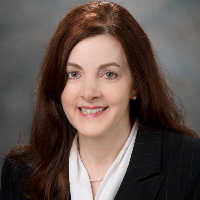
About Laura
Before moving into private practice, she spent much of her career working in healthcare settings, including long-term work at a major cancer center. That background shaped her focus on chronic and terminal illness, caregiver stress, and end-of-life concerns. She draws on experience helping people adapt to medical, career, and family transitions.
Her style is collaborative and down-to-earth. She starts by learning what matters to each person and builds on existing strengths. Sessions often include skill-building for managing strong emotions, practical behavior changes, and mindfulness exercises.
Laura uses several therapeutic tools, including cognitive behavioral methods, attachment-based perspectives, mindfulness practices, and EMDR. She also integrates coaching techniques to support lifestyle and wellness goals. The goal is to find workable steps that fit daily life.
People who choose her typically want a steady, problem-focused approach that balances emotional processing with day-to-day coping strategies. To begin, people use the site’s process to match and schedule a first appointment and then set goals together in the opening sessions.
Areas of expertise
Primary focus
Also works with
Additional focus areas
Therapeutic approaches
Experience
23+ years
Credentials
Texas
Languages
English
How therapeutic approaches shape online care
Attachment-Based Therapy focuses on patterns in close relationships and helps people notice how early connections affect current reactions. It can be useful for those struggling with trust, closeness, or recurring relationship conflict.Cognitive Behavioral Therapy, or CBT, looks at how thoughts, feelings, and behaviors connect and teaches concrete skills to reduce anxiety and manage stress. It often involves practice between sessions and clear steps to change unhelpful patterns.
Finding the right approach is part of the work. The therapist will talk with each person about symptoms, history, and goals, then suggest methods to try. This is a collaborative decision and can be adjusted over time based on what helps most.
Online therapy can make it easier to fit sessions into a busy life by removing travel time and allowing flexible scheduling. It can also allow shorter check-ins when a quick touchpoint is helpful, or less reliance on high-bandwidth video when that is difficult. Session formats are not listed here, so please confirm the available options before booking. Licensed professionals can use these approaches over remote sessions to teach coping skills, practice new behaviors, and process difficult emotions while working around everyday schedules.
Frequently asked questions
What kinds of concerns does she address?
She works with stress and anxiety as well as grief, relationship strain, addictions, depression, and challenges that come with chronic illness or caregiving.
How would you describe her therapeutic style?
Her approach is collaborative and practical, blending counseling and health coaching to set achievable goals and teach emotion-regulation and coping skills.
What is her professional background?
She has 23 years of experience in the healthcare field, including long-term roles in integrative and behavioral health at a cancer center.
What credentials and region are listed?
She holds the LPC credential as a Texas Licensed Professional Counselor and practices from Texas.
In which languages can sessions be held?
Sessions are offered in English.
What session formats are available?
Session formats are not specified here; please confirm the current session options before booking so you know what will be offered.
How are sessions paid for?
Cost varies with location and therapist availability; sessions use a subscription that can be canceled at any time.
How do I begin the process?
Use the Start Therapy button, complete a short matching questionnaire, and schedule a session according to the therapist’s availability.