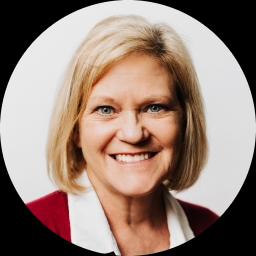
- Client-centered
- Skill-focused
- Practical steps
About Marla
Marla began as a school counselor more than 15 years ago and transitioned into the LPC role in 2018. She moved fully into private practice in June 2021. Over the years she has worked with people across a broad age range and diverse concerns, bringing that experience to one-on-one sessions.
Her work addresses stress, anxiety, addictions, anger, and self-esteem. She also helps people facing life changes, caregiving strain, chronic illness, and relationship and communication struggles. Marla combines straightforward talking, problem-solving, and skill-building so clients can try new ways of coping between sessions.
Marla draws on Client-Centered Therapy, Cognitive Behavioral Therapy (CBT), Dialectical Behavior Therapy (DBT), Eye Movement Desensitization and Reprocessing (EMDR), Motivational Interviewing, and Solution-Focused Therapy in her work. She discusses options with each person and tailors methods to the issues at hand.
She emphasizes collaboration and respect when planning treatment. Marla encourages small, manageable steps and supports people as they practice new skills. If someone wants to begin, she asks them to complete a short matching questionnaire and schedule a time to talk.
Areas of expertise
Primary focus
Additional focus areas
Therapeutic approaches
Experience
7+ years
Credentials
Texas
Languages
English
How these approaches translate to online therapy
Client-Centered Therapy focuses on listening and understanding the person's experience. The therapist offers empathy and acceptance, and the client leads the topics while the therapist supports their goals. This approach helps when someone needs a calm, steady space to talk through stress or life changes.Cognitive Behavioral Therapy (CBT) is practical and action-oriented. It looks at how thoughts, feelings, and actions connect and uses exercises to change unhelpful patterns. CBT can be useful for managing anxiety, anger, and motivation problems.
Dialectical Behavior Therapy (DBT) teaches concrete skills for emotion regulation, distress tolerance, and better communication. It is helpful when strong emotions, impulse control, or relationship conflicts get in the way of daily life.
Choosing an approach is a joint process. The therapist will talk with the client about goals, try methods that seem to fit, and adjust over time. The client’s feedback helps shape which tools are prioritized.
Confirm the session formats before booking, as the biography does not list specific options. Online work can make it easier to schedule sessions around busy days, reduce travel, and allow shorter check-ins when needed. It also lets people use therapy tools and exercises between visits so progress can continue outside session time.
Frequently asked questions
What concerns does Marla help with?
She works with stress and anxiety and also addresses addictions, anger, self-esteem, and coping with life changes. Additional focus areas include chronic illness, caregiver stress, communication problems, and related issues.
What is her general approach in sessions?
Sessions are collaborative and down-to-earth, using talk, skill practice, and problem-solving. Marla blends client-centered work with techniques from CBT, DBT, and solution-focused methods.
How much experience does she have?
She has seven years as an LPC and more than 15 years of counseling experience overall, including time working in schools before moving fully into private practice.
What credential does she hold and where is she based?
She is a Licensed Professional Counselor (LPC) and practices in Texas.
Can sessions be conducted in other languages?
Sessions are offered in English.
Are international clients accepted?
International clients are not currently accepted.
How much do sessions cost and how are they billed?
Cost varies with location and therapist availability; sessions use a subscription that can be canceled at any time.
How do I begin working with her?
Click the Start Therapy button, complete a short matching questionnaire, and schedule according to therapist availability.