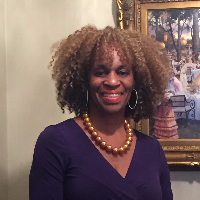
- Warm listening
- Practical tools
- Collaborative approach
About Mary
She listens with curiosity and brings a warm, energetic presence to sessions. Conversations tend to be straightforward and practical. Mary aims to help people name what feels hard, try small changes, and notice what shifts over time.
Mary draws on several therapy styles to match each person’s needs. She uses cognitive behavioral techniques to spot unhelpful thinking patterns and client-centered methods to follow the person’s pace. Attachment-based ideas and emotionally-focused strategies are available when relationships and connection are central topics.
Her experience includes work in special education, general school counseling, and community treatment programs. That history informs a flexible approach that suits different life stages and circumstances. She also offers trainings and presentations outside of clinical work.
People who want practical tools for coping with stress, to improve sleep or eating habits, or to manage relationship and career strain may find this approach helpful. Mary supports people working through grief, identity questions, and the fallout from trauma. For those considering therapy, she emphasizes collaboration and steady, manageable steps.
Areas of expertise
Primary focus
Also works with
Additional focus areas
Therapeutic approaches
Experience
12+ years
Credentials
Missouri, Texas
Languages
English
Therapeutic approaches and how they fit online
Attachment-based ideas focus on how relationships shape feelings and behavior. This approach looks at connection and trust in relationships and can help when worry, grief, or intimacy issues are tied to past attachment experiences.Cognitive Behavioral Therapy, or CBT, focuses on spotting and changing unhelpful thoughts and behaviors. It often uses short exercises and homework to reduce anxiety, improve sleep, or manage mood swings.
Client-centered work emphasizes listening and following the person’s pace. It creates space for people to set the agenda and explore what matters most to them.
Finding the right approach is part of the work. Mary will collaborate to pick methods that match a person’s needs, goals, and comfort level. That may mean combining elements from different approaches and adjusting as progress unfolds.
Many people find online therapy helps fit sessions into busy lives, such as fitting a session into a lunch break or avoiding travel time. Because formats are not specified in the biography, confirm which session options are currently offered before booking. A clear plan is made together so sessions can focus on practical coping skills and relationship concerns rather than logistics.
Frequently asked questions
What kinds of concerns does Mary address?
Mary works with many concerns noted in her background, including stress and anxiety, trauma and abuse, addictions, depression, relationship and parenting issues, grief, and sleep or eating concerns.
How would you describe her therapy style?
Her style is practical and person-focused. She uses listening, problem-solving, and skill practice to help people cope and make changes.
What is her professional background?
She has more than 12 years of experience in schools, veteran services, substance use treatment, and offender programs, which shapes a flexible clinical approach.
What credentials and location are listed?
Mary holds the LPC credential and is licensed in Missouri and Texas. She practices in Texas.
Are sessions available in other languages or internationally?
Sessions are offered in English, and she accepts international clients.
Which session formats are offered?
The original biography does not specify session formats. Please confirm current session options before booking.
How does pricing work?
Cost varies with location and therapist availability; sessions use a subscription that can be canceled at any time.
How do I begin working with her?
Select the Start Therapy button, complete a short matching questionnaire, and schedule according to therapist availability.