- Strengths focused
- Goal oriented
- Practical skills
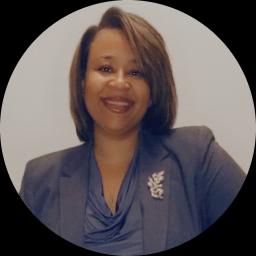
About Nycole
Nycole treats people as the experts on their own lives. She looks for strengths clients already have and helps build on them. Sessions focus on small, realistic steps that people can try between meetings. The tone is encouraging and practical rather than overly technical.
Her approach draws from several psychotherapy styles, including cognitive behavioral methods and acceptance-based work. That means she helps people notice unhelpful patterns in thought and behavior, and then practice new ways of responding. Attachment-based ideas inform how she talks about relationships and closeness.
In sessions she emphasizes clear goals and steady progress. People can expect conversations about coping skills, values, and building routines that support mental health. She uses exercises and simple tools clients can apply to daily life.
Nycole has three years of experience as an LPC and works in Alabama. She offers therapy to adults seeking to manage stress, mood, and life transitions. To begin, clients use an intake process that matches them and then schedule sessions according to availability.
Areas of expertise
Primary focus
Also works with
Additional focus areas
Therapeutic approaches
Experience
3+ years
Credentials
Alabama
Languages
English
How her approaches guide online work
Acceptance and Commitment Therapy (ACT) encourages noticing thoughts without getting stuck and choosing actions that match personal values. It helps people who feel overwhelmed by worry or stuck in avoidance. Cognitive Behavioral Therapy (CBT) focuses on identifying unhelpful thinking and changing behavior patterns that keep problems going. It is commonly used for anxiety, mood issues, and stress management. Attachment-Based Therapy looks at patterns in close relationships and how early bonds shape current ways of relating; it can help with intimacy and communication concerns.Finding the right approach is a collaborative process. The therapist will work with each person to pick methods that fit their goals and daily life. That may mean blending elements from different approaches as therapy progresses and goals evolve.
Confirm the specific online session options before booking since the biography does not list formats. Online therapy can make it easier to fit sessions into a busy schedule, reduce travel time, and allow shorter check-ins when needed. It also lets people practice skills between sessions in their normal routine. Licensed professionals commonly tailor session pacing and tools to what works best for each person.
Frequently asked questions
What concerns does she address?
She helps with stress and anxiety plus related issues such as trauma, depression, mood concerns, self-esteem, and relationship or intimacy-related problems.
What is her therapy style like?
The style is practical and straightforward. Sessions focus on identifying strengths, setting small goals, and practicing skills between meetings.
How much clinical experience does she have?
She has three years of experience working as a Licensed Professional Counselor (LPC) in mental health.
Where does she practice and what are her credentials?
She is licensed in Alabama and holds the LPC credential listed as AL LPC.
In which languages can I meet with her?
Sessions are offered in English.
Can international clients schedule sessions?
She is not currently accepting international clients.
How are fees and payment handled?
Cost varies with location and therapist availability; sessions use a subscription that can be canceled at any time.
How do I start therapy with her?
Use the Start Therapy button, complete a short matching questionnaire, and then schedule sessions according to the therapist's availability.