- Direct listening
- Goal oriented
- Mindfulness informed
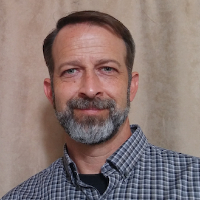
About Paul
He began studying psychology at the University of Texas at Austin and completed a master’s degree in clinical psychology at Stephen F. Austin State University. Paul has roughly 20 years of experience in mental health work, including long-term roles as a mental health clinician at UTMB-CMC. He has supported people across a wide range of concerns from day-to-day stress to more complex mental health needs.
Paul adapts his approach to the person in front of him. He commonly uses client-centered methods, cognitive behavioral techniques, dialectical behavior strategies, emotionally-focused ideas, and existential perspectives depending on the issue and the goals. He also draws on solution-focused and mindfulness-based methods where they fit.
Sessions tend to be practical and goal-oriented when helpful, and reflective when that suits the person better. Paul mentions experience with both individual and group settings, and he will help find a different provider if a need falls clearly outside his experience.
People who want clear, down-to-earth help for anxiety, depression, trauma, addictions, ADHD, grief, relationship concerns, or career stresses may find his style accessible. He encourages anyone taking this step to move forward and begin working on the changes they want.
Areas of expertise
Primary focus
Also works with
Additional focus areas
Therapeutic approaches
Experience
20+ years
Credentials
Texas
Languages
English
How therapeutic approaches guide online work
Client-centered therapy focuses on listening deeply and following the person’s lead to build trust and clarity. It helps people who need a calm space to talk through worries and make decisions. Cognitive behavioral therapy (CBT) looks at how thoughts and behaviors keep problems going and teaches practical skills to shift them, which can help with anxiety, depression, and sleep issues. Dialectical behavior therapy (DBT) adds concrete tools for managing intense emotions and improving coping when stress or anger become overwhelming.Finding the right mix is part of the process. The therapist will work together with the client to choose approaches that match their needs, goals, and preferences. That collaborative planning can change as progress is made and new issues come up.
Session formats are not specified in this biography, so confirm current options before booking. In general, online work can make it easier to fit sessions into a busy week, shorten check-ins when time is limited, or avoid travel to an appointment. Licensed professionals can adapt exercises, homework, and emotion-regulation skills for remote sessions so people keep moving toward their goals while balancing everyday life.
Frequently asked questions
What kinds of concerns does Paul commonly address?
He works with stress, anxiety, trauma and abuse, anger, bipolar, depression, addictions, LGBT issues, relationship and intimacy concerns, sleep problems, parenting challenges, self esteem, career stress, and related topics.
What is Paul’s style in therapy?
Paul tailors sessions to each person. He combines client-centered listening with practical techniques from cognitive behavioral therapy and dialectical behavior therapy when useful.
How much experience does he bring?
He has about 20 years of work in mental health, including substantial clinical roles at UTMB-CMC and work across inpatient and outpatient settings.
What credentials and region should I know about?
He holds the LPC credential as a Licensed Professional Counselor in Texas and practices from that state.
Which languages are sessions offered in?
Sessions are offered in English.
Can international clients work with him?
He does not accept international clients at this time.
How are fees and payments handled?
Cost varies by location and therapist availability; sessions use a subscription that can be canceled at any time.
What are the first steps to begin?
Click the Start Therapy button, complete a short matching questionnaire, and then schedule based on the therapist’s availability.