- Practical tools
- Goal oriented
- Collaborative care
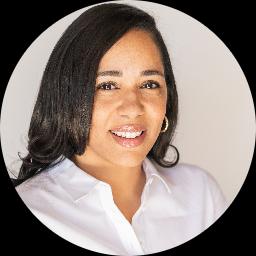
About Quanesha
She has ten years of clinical experience working with individuals in both group and one-on-one settings. Quanesha also has two decades of experience supporting families through crises, transitions, and end-of-life issues. She uses that background to address worry, low mood, and difficult life changes with steady support.
Her work often centers on trauma and abuse, self-esteem, and depression. She also helps people who struggle with communication problems, guilt and shame, loneliness, and finding life purpose. Quanesha offers straightforward help for social anxiety and related fears.
Quanesha blends several evidence-based techniques in sessions. She draws on Cognitive Behavioral Therapy to identify unhelpful thoughts and patterns. She uses solution-focused ideas to set clear, short-term goals and psychodynamic perspectives to look at deeper patterns that repeat over time.
Sessions aim to be collaborative and goal-oriented. People can expect practical tools, space to talk through hard feelings, and steps to try between meetings. Quanesha works from Texas and conducts sessions in English.
Areas of expertise
Additional focus areas
Experience
10+ years
Credentials
Texas
Languages
English
How evidence-based techniques translate to online care
Quanesha uses several evidence-based therapeutic techniques that are straightforward to explain. Cognitive Behavioral Therapy helps people spot unhelpful thoughts and change small behaviors to reduce anxiety and low mood. Solution-focused ideas focus on realistic, short-term goals and steps that can be practiced between sessions. Psychodynamic perspectives look at recurring patterns in relationships and feelings to give context for current struggles.Choosing the right approach is part of the work together. The therapist will ask about goals, day-to-day routines, and what feels most useful, then recommend techniques to try. This collaborative process means methods can shift as needs change and progress is tracked together.
If you are considering online therapy, confirm the session formats before booking since the profile does not list specific options. Online sessions can make it easier to fit therapy into a busy schedule, reduce travel time, and allow shorter check-ins when needed. They also let people try different approaches while keeping sessions consistent with their daily life and responsibilities.
Frequently asked questions
What kinds of concerns does this therapist address?
Primary focuses include stress, anxiety, trauma and abuse, self-esteem, depression, and coping with life changes. Additional areas include communication problems, forgiveness, guilt and shame, isolation and loneliness, life purpose, self-love, and social anxiety.
How would you describe the therapeutic style and approach?
The style is collaborative and practical, with an emphasis on clear goals and tools to use between sessions. Techniques are chosen to match each person's needs and progress over time.
What is the therapist's background and experience?
The therapist has ten years of clinical experience working with individuals in group and one-on-one settings, plus extensive experience supporting families through major life events.
What credentials and location apply to this therapist?
The clinician holds an LCSW credential and practices from Texas.
In which languages are sessions offered?
Sessions are offered in English.
Can international clients work with this therapist?
This therapist is not currently accepting international clients.
How are fees and payment handled?
Cost varies with location and therapist availability; sessions are provided through a subscription that can be canceled at any time.
How do I begin working with this therapist?
Start by selecting the Start Therapy button, completing a short matching questionnaire, and scheduling according to therapist availability.