- Warm collaborative care
- Practical coping skills
- Relationship focus
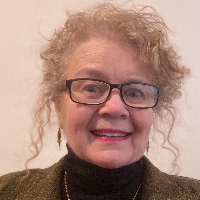
About Sara
Sara uses a mix of approaches to match what each person needs. She draws on attachment-based and client-centered work to strengthen relationships and sense of self. She also uses Dialectical Behavior Therapy skills to help with intense emotions and Emotionally-Focused Therapy to improve connection in close relationships.
Her background includes graduate social work training at the University of Tennessee, Knoxville and earlier study in exercise physiology and wellness. Those interests shaped her attention to the body-mind link and to self-care as part of healing. Over the years she has worked in community mental health, adolescent psychiatric settings, and private practice.
Sara has supported people facing trauma, addiction, chronic pain, grief, parenting stress, relationship conflict, and major life changes. She emphasizes respect, dignity, and practical tools while helping people build on their strengths. Sessions aim to create clearer communication, healthier boundaries, and more satisfying relationships.
Her style is warm, interactive, and collaborative. To begin, people complete a short matching questionnaire and then schedule sessions based on therapist availability. Sara practices in Tennessee and works in English.
Areas of expertise
Primary focus
Also works with
Additional focus areas
Therapeutic approaches
Experience
26+ years
Credentials
Tennessee
Languages
English
Approaches that translate to online care
Sara often uses attachment-based work to help people understand relationship patterns and build safer connections; this approach focuses on how early relationships shape current ways of relating and can help with intimacy and trust issues.She also uses client-centered therapy, which prioritizes a respectful, nonjudgmental conversation where the person leads the pace and topics; this can help people feel heard and explore values, identity, and goals.
Dialectical Behavior Therapy skills are part of her toolbox for managing intense emotions and improving coping. DBT techniques teach practical strategies such as distress tolerance and emotion regulation that people can practice between sessions.
Finding the right mix of approaches is a collaborative process. The therapist will work with each person to identify goals and try methods that fit their needs and preferences. Adjustments are made over time as progress and feedback guide the work.
Session logistics and formats are not specified here, so confirm current online options before booking. Many people find online sessions helpful because they can fit therapy into a busy day more easily, use shorter check-ins when needed, or avoid travel time. Aiming for regular, focused sessions supports steady progress regardless of the meeting format.
Frequently asked questions
What kinds of concerns does she address?
Sara helps with stress, anxiety, relationship problems, trauma and abuse, depression, addictions, grief, sleep issues, parenting strains, and other life changes.
How would you describe her therapeutic style?
Her style is warm, interactive, and collaborative. She combines client-centered listening with skills-based work to help people manage emotions and improve relationships.
What is her experience working with clients?
She has 26 years of clinical experience across community mental health, adolescent psychiatric care, and private practice settings.
What credentials and location information should I know?
She is an LCSW licensed in Tennessee and practices in that state.
Can I work with her if I live outside the United States?
International clients are not currently accepted; sessions are offered in English.
What session formats are available?
Session formats are not listed here. Please confirm current session options before booking so you know how she meets with clients.
How are fees and payment handled?
Cost varies with location and therapist availability, and sessions use a subscription that can be canceled at any time.
How do I start working with her?
Click the Start Therapy button, complete a short matching questionnaire, and schedule according to therapist availability.