- Practical coping skills
- Evidence based methods
- Calm supportive style
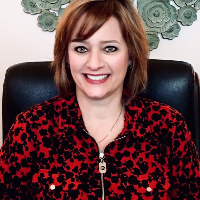
About Shannon
She trained in both education and mental health counseling and holds multiple graduate degrees, including a Doctorate in Educational Psychology. Dr. Hunter has worked in private practice, clinics, integrated health settings, state facilities, and university campuses. Those roles shaped her interest in clear, teachable strategies that fit real life.
In sessions she combines cognitive behavioral methods with emotion regulation and mindfulness tools. That mix is used to build individualized plans aimed at stress, anxiety, mood, and related concerns. She also addresses topics such as relationship strain, self-esteem, grief, and coping with life changes.
Clients can expect a calm, direct style that emphasizes active listening and supportive encouragement. The focus is on helping people identify workable techniques and practice them between sessions. Dr. Hunter aims to create a nonjudgmental space where people can talk through what matters most to them.
Her work includes attention to trauma, addiction, parenting strain, compassion fatigue, ADHD, and intimate concerns like body image and sexual expression. She uses evidence-based approaches and tailors them so each person can apply new tools in everyday situations.
Areas of expertise
Primary focus
Also works with
Additional focus areas
Therapeutic approaches
Experience
19+ years
Credentials
Texas
Languages
English
How therapy approaches translate to online work
Dr. Hunter uses cognitive behavioral therapy and dialectical behavior therapy in ways that often fit well with remote sessions. Cognitive behavioral therapy focuses on identifying unhelpful thoughts and testing new behaviors, which can be done through discussion and take-home exercises. Dialectical behavior therapy emphasizes emotion regulation, distress tolerance, and mindfulness skills that can be taught, practiced, and reviewed during sessions.Finding the right approach is part of the work together. She will collaborate with each person to select or combine methods based on goals, needs, and preferences. That team approach helps tailor strategies to what the person wants to change and what feels workable in daily life.
Confirm current session options before booking, as exact online formats are not specified here. Online therapy can make it easier to fit visits into a busy week, allow shorter check-ins when helpful, and reduce travel time. It also supports practicing skills between sessions and bringing real-world situations into conversation so techniques can be adjusted to actual challenges.
Frequently asked questions
What kinds of concerns does she address?
Dr. Hunter helps people with stress, anxiety, depression, relationship and self-esteem issues, as well as grief, trauma, addictions, and coping with life changes.
What is her therapy style like?
She combines talk therapy with psycho-educational guidance and uses a calm, direct manner focused on practical skills and active listening.
How much clinical experience does she have?
She brings 19 years of professional experience in education and mental health counseling across many settings.
What credentials and location are listed?
She is a Licensed Professional Counselor (LPC) practicing in Texas and holds multiple graduate degrees including a doctorate in educational psychology.
Which languages are supported for sessions?
Sessions are offered in English.
Are international clients accepted?
International clients are not currently accepted.
How is cost structured?
Cost varies with location and therapist availability; sessions use a subscription model that can be canceled at any time.
What steps are involved to begin therapy?
Choose the Start Therapy button, complete a short matching questionnaire, and schedule appointments based on the therapist's availability.