- Practical coping skills
- Collaborative goal setting
- Respectful and direct
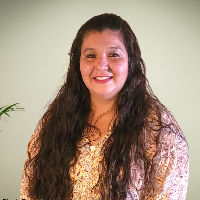
About Shauna
Holder draws on 13 years of counseling experience to shape each session around a person’s goals. She listens for what matters most and then uses practical tools from cognitive-behavioral approaches to address unhelpful thoughts and patterns. She also brings in skills from dialectical behavior therapy to help with emotion regulation and distress tolerance.
Sessions focus on real-life steps people can use between meetings. Shauna encourages small, achievable changes - for example, brief experiments in communication or daily habits that reduce stress. She checks in on progress and adjusts strategies based on what’s working.
Her work is straightforward and respectful. She aims to create a space where someone can talk through painful experiences like trauma or loss, and learn concrete ways to cope. She also helps people navigate career strain, caregiving stress, and issues around intimacy or identity.
People who choose Shauna can expect collaborative goal-setting, skill-building, and follow-up on practical assignments. Her approach is meant to fit into busy lives while targeting the core problems that cause persistent worry and overwhelm.
Areas of expertise
Primary focus
Also works with
Additional focus areas
Therapeutic approaches
Experience
13+ years
Credentials
Texas
Languages
English
How therapeutic approaches shape online sessions
Client-centered work puts the person’s concerns first and focuses on listening, empathy, and collaboration to set goals. This helps people who need space to talk through stress, grief, or identity questions while shaping therapy around their priorities.Cognitive Behavioral Therapy (CBT) looks at the link between thoughts, feelings, and actions and teaches practical techniques to change unhelpful patterns. It is often used for anxiety, depression, and stress by building skills to manage worry and reframe thinking.
Dialectical Behavior Therapy (DBT) contributes concrete emotion-regulation and distress-tolerance skills. These tools can help when feelings feel overwhelming or when someone needs better ways to cope in the moment.
Finding the right approach is part of the work. The therapist will collaborate with each person to choose which methods to use, and may combine elements from these approaches based on individual goals and needs.
Confirm current session options before booking, as formats are not detailed here. Online therapy can make it easier to fit sessions into a busy schedule, try shorter check-ins, and use tools and exercises during the week. Licensed professionals can help tailor session length and frequency so therapy fits into everyday life rather than disrupting it.
Frequently asked questions
What kinds of problems does she help with?
She helps people facing stress and anxiety as well as depression, trauma and abuse, ADHD, addictions, grief, relationship and parenting concerns.
What is her overall approach in sessions?
Her style is client-centered and practical, combining cognitive-behavioral techniques with dialectical behavior therapy and emotionally-focused ideas to build skills and improve relationships.
How long has she been practicing?
She has 13 years of experience as a counselor working with a wide range of concerns such as bipolar symptoms, obsessive patterns, and communication problems.
What credential does she hold and where is she based?
She is a Licensed Professional Counselor (LPC) and practices in Texas.
Which languages are available for sessions?
Sessions are offered in English.
Can people outside the United States work with her?
She does not accept international clients at this time.
How does payment and cost work?
Cost varies with location and therapist availability; sessions are billed through a subscription that can be canceled at any time.
How do I get started if I want to work together?
Select the Start Therapy button, complete the short matching questionnaire, and then schedule sessions according to the therapist's availability.