- Values-focused strategies
- Skill building
- Affirming care
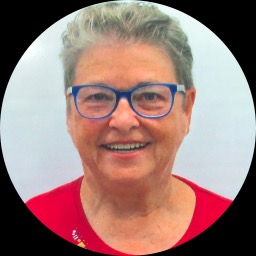
About Susan
She uses short, clear steps in sessions so you can try things between visits. Conversations focus on what feels most urgent to the client and on small experiments that build new skills. Susan listens for patterns that keep problems repeating and helps people notice different choices they can make.
Her approach blends Acceptance and Commitment Therapy, Cognitive Behavioral Therapy, Dialectical Behavior Therapy, and client-centered methods. That means she pays attention to values, thoughts and behaviors, emotional regulation, and the practical needs each person brings to therapy. The work is collaborative and paced to fit each person’s readiness.
Susan brings five years of clinical experience and two state licenses as a Texas and Arizona LCSW, which she uses to guide care and paperwork. She is experienced supporting LGBTQ+ people and those coping with disability, chronic illness, or caregiving stress.
Sessions commonly address self-esteem, parenting strain, intimacy concerns, career stress, trauma and abuse, and compassion fatigue. People seeking help for addiction, ADHD, or major life transitions often find concrete tools and steady support in her sessions.
Areas of expertise
Primary focus
Also works with
Additional focus areas
Therapeutic approaches
Experience
5+ years
Credentials
Texas, Arizona
Languages
English
How therapeutic approaches guide online work
Acceptance and Commitment Therapy (ACT) focuses on values and committed action, helping people notice what matters and take steps toward it even when emotions are strong. Cognitive Behavioral Therapy (CBT) looks at the link between thoughts, feelings, and behaviors and teaches practical skills for shifting unhelpful patterns. Dialectical Behavior Therapy (DBT) offers tools for managing intense emotions and improving interpersonal effectiveness when reactions feel overwhelming.Finding the right approach is part of the work together. The therapist will talk with each person about their goals, needs, and preferences and will try methods that fit. That collaborative process helps shape which strategies are used and how sessions are paced.
Session formats are not specified in the provided biography, so confirm current options before booking. In general, online therapy can make it easier to fit appointments into a busy week, reduce travel time, and allow shorter check-ins when schedules are tight. It also supports continuing care during life transitions and when managing chronic health issues, while the therapist and client adjust methods to match what feels most useful.
Frequently asked questions
What kinds of concerns does she address?
She helps with stress, anxiety, depression, addiction, self-esteem, relationship and intimacy issues, grief, trauma and abuse, parenting strain, career problems, and health-related challenges.
What is her style in sessions?
Sessions are collaborative and practical, focusing on clear steps people can try between meetings and on identifying patterns that keep problems in place.
What experience does she bring?
She has five years of clinical experience working with a range of concerns, including supporting LGBTQ+ clients and people facing disability, chronic illness, or caregiving stress.
What credentials and location are listed?
She holds an LCSW credential and is licensed in Texas (TX LCSW) and Arizona (AZ LCSW), and practices from Arizona.
In which languages are sessions offered?
Sessions are offered in English.
Does she work with international clients?
International clients are not currently accepted.
How is cost handled?
Cost varies with location and therapist availability; sessions use a subscription that can be canceled at any time.
How do I begin the process?
Select the Start Therapy button, complete a short matching questionnaire, and schedule a session according to therapist availability.