- Client-centered care
- Trauma and addiction
- Faith supportive options
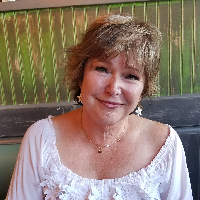
About Theresa
She began working with survivors of domestic violence and sexual abuse, then expanded to support men affected by trauma and to work with people involved in substance misuse. That early work led to nearly a decade in drug court and private substance abuse counseling. Over time she developed experience with depression, grief, anger, abandonment, attachment struggles, and post-traumatic stress concerns.
Theresa uses several well-known therapy methods in session, including Acceptance and Commitment Therapy, Cognitive Behavioral Therapy, Emotionally-Focused Therapy, Attachment-Based Therapy, and a client-centered way of working. She describes therapy as a team effort where practical tools and honest conversations matter most. Sessions focus on small, manageable changes rather than quick fixes.
She also integrates spiritual resources when clients ask for them, including Biblical counseling and prayer, and she will use those options only when clients request them. Theresa emphasizes compassion and a nonjudgmental stance so people feel heard instead of shamed.
Theresa practices in Oklahoma and communicates in English. She accepts international clients and brings steady, long-term experience to problems such as addiction, relationship difficulties, career stress, and life changes. To begin, readers should confirm available session options before booking.
Areas of expertise
Primary focus
Also works with
Additional focus areas
Therapeutic approaches
Experience
20+ years
Credentials
Oklahoma
Languages
English
How these approaches translate to online work
Acceptance and Commitment Therapy (ACT) helps people notice painful thoughts and feelings without getting stuck in them and then take steps toward what matters. It is often used for ongoing stress, anxiety, and life changes. Cognitive Behavioral Therapy (CBT) focuses on identifying unhelpful thinking patterns and testing new behaviors to reduce symptoms like anxiety and depression. It is practical and skill oriented for everyday challenges. Attachment-Based Therapy looks at how early relationship patterns shape current connections and helps people develop more secure ways of relating to others.Finding the right approach is part of the work together. The therapist will talk with each person about goals and preferences and then recommend methods that fit those needs. That choice is collaborative and can be adjusted as therapy progresses.
Session formats were not specified in the biography, so confirm current options before booking. Online therapy can make it easier to fit sessions into a busy week, reduce travel time, or allow for shorter check-ins when needed. It also makes it possible to work with a licensed professional across state or national boundaries when arrangements permit. Work in session focuses on practical tools, emotion regulation, and communication skills that translate to everyday life.
Frequently asked questions
What kinds of problems does this therapist help with?
She works with stress, anxiety, addiction, trauma and related issues such as grief, anger, relationship and intimacy concerns, and life transitions.
What is her general therapy style?
The approach is client-centered and practical, combining supportive listening with skills from cognitive behavioral and emotion-focused approaches.
How long has she been practicing?
She has about 20 years of professional experience, including many years supporting people impacted by domestic violence and substance misuse.
Where is she located and what credential does she hold?
She practices in Oklahoma and is a Licensed Professional Counselor, abbreviated LPC.
Which languages are supported for sessions?
Sessions are offered in English, and she also accepts international clients.
What session formats are available?
Confirm current session options before booking, as formats were not specified in the biography.
How does pricing work?
Cost varies with location and therapist availability; sessions use a subscription that can be canceled at any time.
How do I begin working with her?
Use the Start Therapy button, complete a short matching questionnaire, and schedule according to therapist availability.