- Client-centered care
- Evidence-based tools
- Mindfulness focus
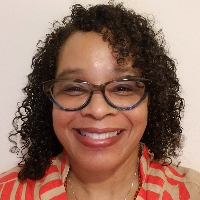
About Vivian
She draws on 25 years of experience and works in a way that centers the person in the room. Conversations focus on practical skills, clearer communication, and relearning how to care for yourself. Vivian pays close attention to how culture, work, and relationships shape stress and mood.
Her approach mixes client-centered listening with active tools from cognitive behavioral therapy and dialectical behavior therapy. She uses mindfulness practices to help calm the body and EMDR when trauma memories are interfering with daily life. Sessions are collaborative - the client and therapist choose what to try together.
Vivian often helps people deal with shame, panic, feelings of isolation, and problems around trust or abandonment. She also supports those coping with caregiver stress, addictive behavior, and disruptive mood patterns. Her work includes attention to life purpose and rebuilding after separation or loss.
Clients can expect straightforward language, paced progress, and strategies they can use between sessions. Vivian aims to teach skills that fit into busy routines so growth continues outside the therapy hour.
Areas of expertise
Primary focus
Also works with
Additional focus areas
Therapeutic approaches
Experience
25+ years
Credentials
Kentucky, Ohio
Languages
English
How approaches like CBT, DBT, and EMDR work online
Client-Centered Therapy focuses on listening and reflecting what matters to the client so they feel heard and can make their own changes. It helps with stress, relationship concerns, and finding direction.Cognitive Behavioral Therapy (CBT) breaks problems into thoughts, feelings, and actions and teaches practical skills to change unhelpful patterns. It is often used for anxiety, depression, and coping with life changes.
Dialectical Behavior Therapy (DBT) offers concrete skills for handling intense emotions, improving relationships, and reducing impulsive behavior. It can help with anger, emotional instability, and self-destructive urges.
Finding the right approach is part of the work. The therapist will talk with each client about goals and preferences and then try methods that fit their needs. That process is collaborative and adjusted over time based on what helps most.
For practical matters, confirm which session formats the therapist currently offers before booking. Many people find online sessions easier to fit into a busy day, which can make consistent work on stress and anxiety more manageable. Others appreciate being able to join from different locations or choose a shorter check-in when time is limited. Licensed professionals can adapt exercises, homework, and mindfulness practices to the online setting so progress continues between appointments.
Frequently asked questions
What concerns does this therapist address?
She supports people with stress, anxiety, trauma and abuse, depression, bipolar symptoms, addictions, grief, anger, and related issues such as abandonment and caregiver stress.
How would you describe the therapeutic style?
The style is collaborative and practical, combining listening with skill-building. Sessions focus on clear goals, communication skills, and strategies clients can use day to day.
What kind of background does the therapist have?
She has 25 years of experience working with mood disorders, trauma, and life transitions and brings attention to cultural and workplace factors that affect mental health.
What credentials and location are listed?
She holds the LPCC credential and is licensed in Kentucky and Ohio; her primary location is Kentucky.
Which languages are supported and can international clients connect?
Sessions are offered in English, and international clients are accepted.
What session formats are available?
The original profile does not specify session formats; please confirm current session options before booking.
How is cost handled for sessions?
Cost varies with location and therapist availability; sessions use a subscription that can be canceled at any time.
What are the first steps to begin therapy?
Choose the Start Therapy button, complete a short matching questionnaire, and then schedule sessions according to the therapist's availability.