
Victoria Naginsky
LMHC, LPCCFlorida · 9 yrs exp
Calm, practical support for daily stress
Stress, Anxiety · Addictions · Self esteem · Depression · +9 more
Read profileTherapist listings are provided by BetterHelp. We will earn a commission at no additional cost to you if you use our links to purchase.
Welcome to our Florida directory of licensed online therapists. All professionals listed here hold a valid Florida license to practice. Explore profiles to compare credentials, approaches and the experience that matters for your needs.
Florida · 9 yrs exp
Calm, practical support for daily stress
Stress, Anxiety · Addictions · Self esteem · Depression · +9 more
Read profile
Florida · 17 yrs exp
Compassionate, practical therapy for anxiety and stress
Addictions · LGBT · Relationship · Family · +5 more
Read profile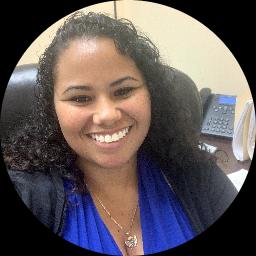
Florida · 7 yrs exp
Calm guidance for stress and life change
Stress, Anxiety · Parenting · Anger · Career · +7 more
Read profile
Florida · 5 yrs exp
Calm, practical counseling for stress and anxiety
Stress, Anxiety · Trauma and abuse · Self esteem · Bipolar · +6 more
Read profile
Florida · 8 yrs exp
Practical, collaborative care for everyday stress
Stress, Anxiety · Anger · Self esteem · Depression · +1 more
Read profile
Florida · 22 yrs exp
Practical support for stress and trauma recovery
Stress, Anxiety · Trauma and abuse · Anger · Self esteem · +1 more
Read profile
Florida · 20 yrs exp
Empathetic LCSW supporting lasting change
Stress, Anxiety · Addictions · Relationship · Grief · +9 more
Read profile
Florida · 26 yrs exp
Helping people manage stress and anxiety
Stress, Anxiety · Family · Trauma and abuse · Self esteem · +1 more
Read profile
Florida · 22 yrs exp
Hope-focused clinician for stress and anxiety
Stress, Anxiety · Family · Self esteem · Depression · +9 more
Read profile
Florida · 22 yrs exp
Calm-focused, practical therapy for anxiety and stress
Stress, Anxiety · Addictions · Relationship · Family · +7 more
Read profile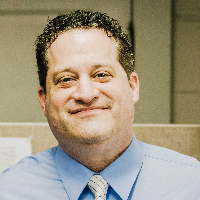
Florida · 12 yrs exp
Calm, practical help for anxiety and stress
Stress, Anxiety · Addictions · Relationship · Family · +15 more
Read profile
Florida · 9 yrs exp
Calm, practical help for stress and anxiety
Stress, Anxiety · Addictions · Family · Grief · +11 more
Read profile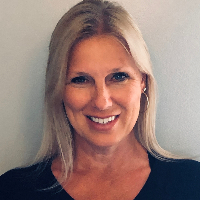
Florida · 20 yrs exp
Calm, practical therapy for everyday stress
Stress, Anxiety · LGBT · Relationship · Family · +13 more
Read profile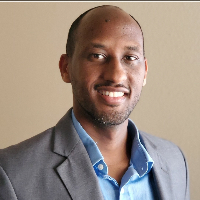
Florida · 12 yrs exp
Practical support for stress and anxiety
Stress, Anxiety · Anger · Self esteem · Bipolar · +10 more
Read profile
Florida · 14 yrs exp
Goal-focused counselor with an open, nonjudgmental style
Stress, Anxiety · Addictions · Relationship · Family · +14 more
Read profile
Florida · 19 yrs exp
Compassionate therapy for stress and relationships
Stress, Anxiety · Relationship · Family · Trauma and abuse · +9 more
Read profile
Florida · 14 yrs exp
Calm, practical therapy for life’s challenges
Stress, Anxiety · Family · Trauma and abuse · Parenting · +8 more
Read profile
Florida · 14 yrs exp
Helping people manage anxiety and life transitions
Stress, Anxiety · Relationship · Self esteem · Coping with life changes · +8 more
Read profile
Florida · 12 yrs exp
Practical therapy for stress and trauma recovery
Stress, Anxiety · Trauma and abuse · Depression · Relationship · +9 more
Read profile
Florida · 37 yrs exp
Experienced LCSW focused on practical coping strategies
Stress, Anxiety · Grief · Self esteem · Depression · +11 more
Read profile
Florida · 19 yrs exp
Calm, practical support for stress and anxiety
Stress, Anxiety · Family · Trauma and abuse · Parenting · +13 more
Read profile
Florida · 20 yrs exp
Experienced clinician focused on practical change
Stress, Anxiety · Trauma and abuse · Grief · Self esteem · +12 more
Read profile
Florida · 8 yrs exp
Calm-focused counselor blending therapy styles
Addictions · Trauma and abuse · Eating · Self esteem · +8 more
Read profile
Florida · 11 yrs exp
Relationship-focused therapist who helps reduce stress
Relationship · Family · Trauma and abuse · Parenting · +14 more
Read profileIf you are exploring online therapy in Florida, you will find a wide range of clinicians offering sessions by video or phone. State regulation requires that therapists be licensed to practice in Florida when they provide services to someone who is physically located in the state during a session, so the profiles you see here highlight professionals who hold Florida credentials. Therapists may offer single-session consultations, ongoing counseling, or brief skills-focused work, and many list a range of theoretical approaches and specialties. When profiles mention methods such as cognitive behavioral therapy, acceptance and commitment therapy, mindfulness-based approaches or other modalities, keep in mind that those descriptions indicate what the clinician lists as their approach rather than an external certification or endorsement.
Technology has made remote support widely available across urban and rural parts of Florida, allowing you to connect without travel. Laws and practice expectations continue to evolve, so it helps to be aware of the licensing rules that apply to telehealth and to choose a clinician whose profile matches your preferences for approach, language and population focus.
Online therapy offers practical advantages that may matter in your day-to-day life. You can reduce commute time and fit sessions into a schedule that includes work, caregiving, or school. For people living in less densely populated areas of Florida, online sessions expand access to clinicians who might otherwise be outside reasonable driving distance. The flexibility of remote sessions can also make it easier to maintain continuity of care through life transitions such as moving or job changes.
Florida’s climate and seasonal events sometimes make travel difficult. In those moments, the ability to attend a session from home, a parked car during a break, or another calm location helps you stay connected to care. Online formats also increase your options for finding someone who shares your language, cultural background, or experience with specific life stages and issues - you are not limited to clinicians in your immediate neighborhood.
People seek online therapy for a wide range of concerns. Many look for support with anxiety, panic, obsessive thoughts, social anxiety, and stress related to work or school. Others seek help for depressive symptoms, grief, parenting and relationship challenges, or adjustment to new life circumstances. Therapists also work with people who are coping with trauma-related symptoms, chronic health conditions, sleep difficulties, and perinatal concerns among other issues. When browsing profiles, you will see clinicians who list specialties aligned with these areas and who describe the populations they work with - adolescents, adults, couples, older adults, and others.
Approaches vary. Some profiles note cognitive behavioral strategies and skills-based work, while others emphasize emotion-focused, psychodynamic, or mindfulness-informed approaches. You may also find clinicians who list somatic methods or who note interest in trauma-informed work. For modalities such as EMDR, it is appropriate to read profile language carefully and to consider that the profile indicates what the clinician lists among their approaches rather than a verified credential. Thinking about the kind of process you prefer - short-term skills work versus longer-term exploration - can help you narrow your choices.
Before you begin, note the clinician’s full name and any credential letters shown on their profile. Use Florida’s official licensing lookup tools to confirm that the license is active and that there are no disciplinary actions on record. The lookup typically displays the license type, status, expiration date, and any public disciplinary information. Make a note of the license number and the board that issued it. Common license types you will see include clinical social work, mental health counseling, marriage and family therapy, and licensed psychologist credentials. If you have questions about what the record shows, the licensing office or board should be able to explain the public information.
When you view a license record, check the current status and expiration date to confirm the license is active. Look at disciplinary history to see whether the board has taken public action and read any public summaries carefully. A license record will not describe personal interactions or informal feedback, so use it as one factual piece of your decision-making process. If the clinician lists an educational background or professional credential, you can use that information to confirm identity and professional standing alongside the official license lookup.
Begin by clarifying your primary goals for therapy. You might want symptom relief, help with a specific life transition, tools for managing stress, or a space to explore long-standing patterns. Once you know what you want most from sessions, you can focus on profiles that describe experience with similar concerns and with populations like yours. Pay attention to the approaches clinicians list; if you prefer practical skills, look for clinicians who list behavioral or skills-based approaches, while if you want exploratory work, you may lean toward those who describe relational or insight-oriented methods. Keep in mind the language used on profiles: references to EMDR or other specialized methods should be read as methods the clinician lists among their approaches rather than an external certification statement.
Consider logistics such as session length, typical fee range, and whether the clinician lists experience with insurance billing or out-of-network reimbursement. Think about language needs and cultural background, and look for clinicians who explicitly mention those competencies. Technology preferences matter too - some clinicians use video platforms that work on a browser, while others require an app. Before your first appointment, choose a private space for sessions where you will not be interrupted, and test your camera and microphone so that the first meeting focuses on conversation rather than technical setup.
Your comfort in the therapeutic relationship is an important part of progress. It is reasonable to expect an initial conversation about your goals and some time devoted to assessing whether the clinician’s approach feels helpful. You can ask how they typically structure early sessions, what a few weeks of work might look like, and how they measure progress. Trust your impressions about whether you feel heard and understood. If something does not feel like a good fit, you can look for another clinician whose style aligns more closely with your preferences.
Finally, if you ever face an urgent safety concern, follow local emergency procedures or contact emergency services in your area. Therapists will outline crisis resources and expectations for handling emergencies in their intake materials, so pay attention to those plans when you begin working together. Taking a thoughtful approach to comparing credentials, approaches and practical details will help you find an online therapist in Florida who aligns with your goals and supports the work you want to do.
Anger
2604 therapists
Chronic Illness
827 therapists
Depression
4149 therapists
Grief
2913 therapists
Guilt and Shame
2898 therapists
Isolation / Loneliness
2612 therapists
Mood Disorders
2117 therapists
OCD
950 therapists
Panic Disorder and Panic Attacks
1892 therapists
Phobias
645 therapists
Post-Traumatic Stress
2353 therapists
Self Esteem
3869 therapists
Sleeping Disorders
853 therapists
Social Anxiety and Phobia
2504 therapists
Stress & Anxiety
4711 therapists
Trauma and Abuse
3280 therapists