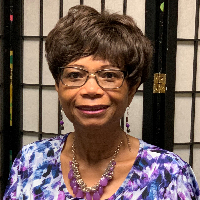
Amelia Williams
LPCC, LMHCIndiana · 25 yrs exp
Practical support for stress and life changes
Stress, Anxiety · Relationship · Family · Trauma and abuse · +9 more
Read profileTherapist listings are provided by BetterHelp. We will earn a commission at no additional cost to you if you use our links to purchase.
Welcome if you are seeking online anxiety therapists who work with Indiana residents. All therapists listed on this page are licensed in Indiana; explore profiles to learn about their approaches, languages, credentials and focus areas.
Indiana · 25 yrs exp
Practical support for stress and life changes
Stress, Anxiety · Relationship · Family · Trauma and abuse · +9 more
Read profile
Indiana · 26 yrs exp
Experienced LMFT helping reduce stress and anxiety
Stress, Anxiety · Relationship · Family · Trauma and abuse · +1 more
Read profile
Indiana · 15 yrs exp
Calm, practical help for everyday challenges
Stress, Anxiety · Anger · Self esteem · Depression · +8 more
Read profile
Indiana · 8 yrs exp
Compassionate, practical help for stress and anxiety
Stress, Anxiety · Family · Trauma and abuse · Parenting · +10 more
Read profile
Indiana · 15 yrs exp
Compassionate support for stress and life change
Stress, Anxiety · Addictions · Family · Depression · +16 more
Read profile
Indiana · 14 yrs exp
Compassionate guidance for stress and anxiety
Stress, Anxiety · Trauma and abuse · Self esteem · Depression · +12 more
Read profile
Indiana · 35 yrs exp
Experienced counselor for stress and anxiety
Stress, Anxiety · Anger · Self esteem · Depression · +10 more
Read profile
Indiana · 18 yrs exp
Therapist focused on practical support
Stress, Anxiety · LGBT · Family · Grief · +13 more
Read profile
Indiana · 11 yrs exp
Warm, practical therapy for stress and anxiety
Stress, Anxiety · Trauma and abuse · Grief · Depression · +13 more
Read profile
Indiana · 6 yrs exp
Compassionate support for stress and anxiety
Stress, Anxiety · Depression · Relationship · Trauma and abuse · +6 more
Read profile
Indiana · 12 yrs exp
Compassionate counselor for stress and anxiety
Stress, Anxiety · Relationship · Trauma and abuse · Self esteem · +10 more
Read profile
Indiana · 6 yrs exp
Compassionate, practical support for stress and anxiety
Stress, Anxiety · Addictions · Trauma and abuse · Relationship · +5 more
Read profile
Indiana · 20 yrs exp
Practical support for stress and relationships
Stress, Anxiety · Relationship · Trauma and abuse · Depression · +1 more
Read profile
Indiana · 27 yrs exp
Compassionate counselor for stress and change
Stress, Anxiety · Addictions · Trauma and abuse · Depression · +14 more
Read profile
Indiana · 4 yrs exp
Practical help for stress and anxiety
Stress, Anxiety · Family · Trauma and abuse · Self esteem · +1 more
Read profile
Indiana · 27 yrs exp
Compassionate holistic care for stress and anxiety
Stress, Anxiety · LGBT · Relationship · Depression · +1 more
Read profile
Indiana · 14 yrs exp
Finding balance from stress and anxiety
Stress, Anxiety · Relationship · Trauma and abuse · Self esteem · +1 more
Read profileOnline therapy has become a widely used option for people across Indiana, enabling you to connect with a mental health professional from towns and cities across the state. State rules govern the practice of teletherapy so clinicians who work with Indiana residents must hold an appropriate Indiana license. That means you can find therapists who are authorized to serve Hoosiers and who list telehealth or virtual sessions among their service formats. The technology used can vary from video chat to phone sessions, and many clinicians describe how they deliver care on their profile pages so you can identify the format that matches your needs.
Regulation and practice expectations in Indiana are designed to protect people seeking care while allowing flexibility in how services are delivered. Since teletherapy spans different therapist types - for example licensed counselors, social workers, psychologists and marriage and family therapists - you will see a range of credentials and approaches represented in the directory. Each profile highlights the clinician's listed specialties and the populations they describe working with, so you can get a sense of who may be aligned with the concerns you want to address.
Online therapy can reduce some of the practical barriers that keep you from starting or continuing counseling. If you live in a rural county or juggle work and family responsibilities, virtual sessions let you attend from home or another convenient setting without long commutes. That can make it easier to maintain continuity of care and to fit sessions into a busy week. For many people, the convenience of logging in from a familiar environment helps them focus on the conversation rather than logistics.
Beyond convenience, online therapy expands the range of therapists you can reach. If you prefer a clinician who works with a particular population, offers therapy in another language, or lists certain approaches among their methods, you can often find someone outside your immediate geographic area who meets those needs. You can also choose a clinician who explicitly lists experience addressing anxiety, panic, social anxiety or related concerns, which helps tailor the match between you and the therapist. Keep in mind that how well a virtual approach works depends on your personal preferences and the nature of your concerns, so think about whether video, phone or hybrid formats fit the way you like to communicate.
Therapists in this directory often list anxiety and related conditions among the issues they address, and they work with individuals across the lifespan. You will find clinicians who describe working with generalized anxiety, panic attacks, social anxiety, obsessive thoughts and trauma-related anxiety. Many also list related concerns such as depression, relationship stress, adjustment to life transitions, parenting challenges and workplace stress, since these issues frequently intersect with anxiety.
Different therapists emphasize different therapeutic approaches, and profiles typically indicate what methods they use. For example, you may find therapists who list cognitive behavioral therapy among their approaches, those who mention mindfulness-based strategies, and clinicians who list psychodynamic or integrative frameworks. Some profiles also note that a therapist lists EMDR among their approaches or that they use acceptance and commitment-oriented work. When you read descriptions, focus on how a clinician describes helping people with problems similar to yours and the kinds of outcomes they aim to support, rather than assuming that a named approach guarantees a specific result.
Verifying a therapist's license is an important step so you can confirm they are authorized to practice with Indiana residents. Start by noting the license type listed on the clinician's profile - common types include counselor, social worker, psychologist and marriage and family therapist - and any identifying license number they provide. Indiana maintains public licensing records and an online license search maintained by the state licensing authority where you can look up a practitioner's status, license type and expiration date. The license record can also disclose whether there are publicly reported disciplinary actions, which is useful information when you are making a decision.
When you use the state's license lookup tools, enter the clinician's name or license number and review the returned record carefully. If the information on the profile does not match the license record, consider reaching out to the clinician to clarify the difference before moving forward. You can also call the licensing board if you have questions about how to interpret a record. Confirming licensure helps you choose a therapist who is practicing under the rules that apply in Indiana and gives you a factual basis for the professional relationship you are seeking.
Beginning online therapy is a process that usually starts with exploration and ends with an agreed plan for sessions. A helpful first step is to read profiles to learn about the therapist's focus areas, approaches, languages, and the populations they describe working with. Many profiles describe the kinds of issues a therapist commonly helps with and the communication formats they use. Once you identify a few clinicians who seem like a reasonable fit, you can reach out through the contact options provided on their profile to ask questions about their approach, the format of sessions, fees and whether they work with your particular concern.
Preparing for your first virtual session can help you get more out of it. Choose a quiet, comfortable environment where you can talk without interruptions. Check your device and internet connection ahead of time and decide whether you prefer video or phone. Think about the main issues you want to address and any goals you hope to achieve, as well as any relevant medical, medication or prior therapy history you want to share. It is also useful to have a short-term plan in mind for how you will manage emotional responses after a session, particularly if you are addressing intense or distressing topics. These practical steps can make the initial meetings more productive and help you and the therapist set clear expectations.
When you are comparing profiles, pay attention to the kinds of issues the therapist lists and the approaches they describe using. If managing anxious thoughts is your priority, look for clinicians who describe helping people with anxiety-related concerns and who list methods that resonate with you. Keep in mind that a therapist who lists a particular modality is indicating it among their approaches rather than asserting formal certification in it. Reading how a therapist explains their work style and priorities gives you a sense of whether their way of working will align with your preferences.
If you prefer therapy in a language other than English, many profiles indicate the clinician's language offerings. Some therapists note age ranges, cultural backgrounds or life stages they commonly work with, which can make it easier for you to find someone who understands your context. While credentials matter, the interpersonal fit between you and the therapist often has a bigger impact on whether you feel comfortable opening up and making progress, so weigh both background and personal fit as you decide.
Cost and payment options vary between clinicians. Profiles frequently state fee ranges and whether the therapist accepts major insurers or offers a self-pay arrangement. If insurance is important to you, ask the clinician or your insurer how teletherapy is handled under your plan and whether any preauthorization or paperwork is needed. Some therapists may provide a sliding scale or cost adjustments; these details are typically discussed directly with the clinician during an initial outreach. Understanding fees in advance helps you plan and reduces surprises down the line.
Once you begin sessions, evaluate whether the therapist's style and methods feel like a good match. You should feel heard and respected, and the therapist should be willing to explain their approach and invite your feedback. It is normal for the first few sessions to be exploratory; use that time to see whether the therapist listens to your goals and outlines a collaborative plan for addressing them. If you are not comfortable with the fit, it is appropriate to look for another clinician whose style better matches what you need.
Finding an online therapist in Indiana is a step toward addressing anxiety and related challenges in a way that fits your life. By reviewing profiles, verifying licensure, preparing for sessions and weighing fit and logistics, you can make an informed choice that supports your wellbeing. Use the listings here to learn about therapists who work with Indiana residents and to identify clinicians whose focus areas, approaches and languages match your needs.
Anger
2604 therapists
Chronic Illness
827 therapists
Depression
4149 therapists
Grief
2913 therapists
Guilt and Shame
2898 therapists
Isolation / Loneliness
2612 therapists
Mood Disorders
2117 therapists
OCD
950 therapists
Panic Disorder and Panic Attacks
1892 therapists
Phobias
645 therapists
Post-Traumatic Stress
2353 therapists
Self Esteem
3869 therapists
Sleeping Disorders
853 therapists
Social Anxiety and Phobia
2504 therapists
Stress & Anxiety
4711 therapists
Trauma and Abuse
3280 therapists